










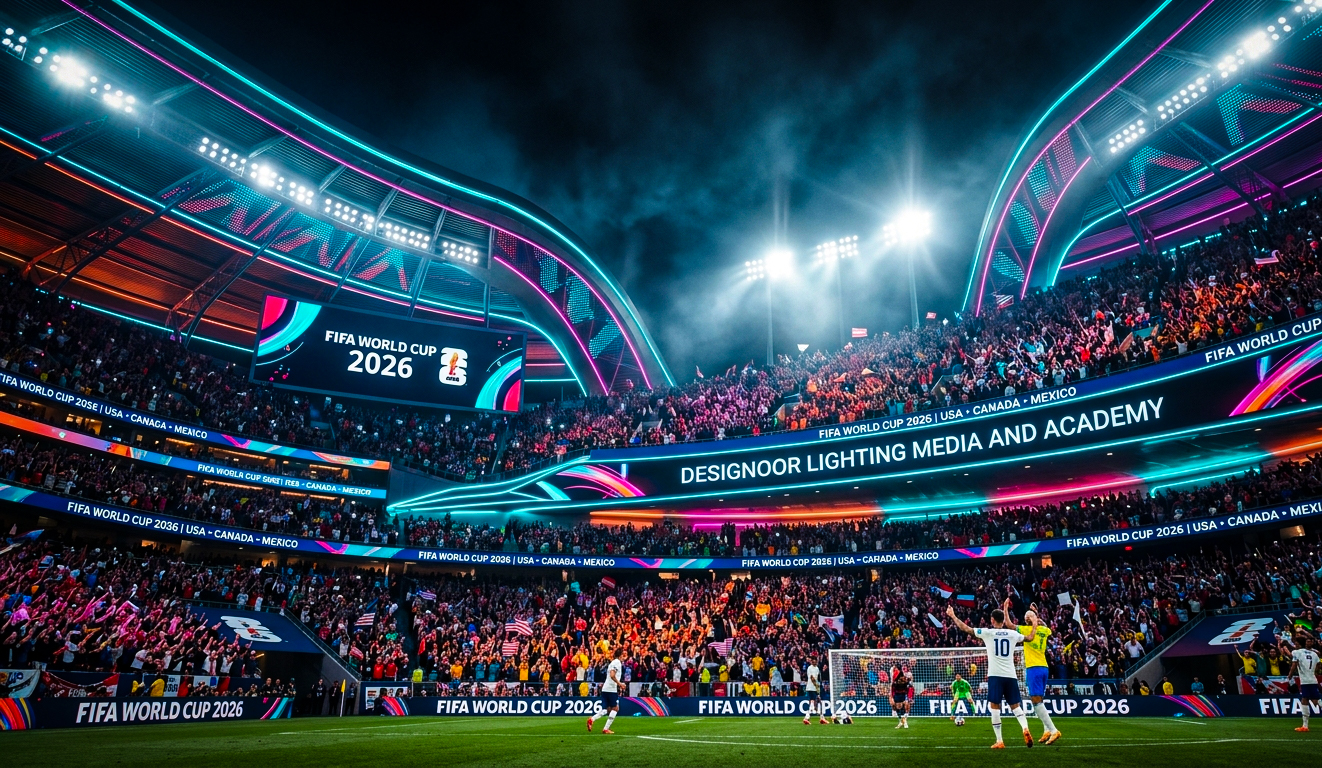
The Football World Cup has always been more than a tournament. It is one of the rare events that changes the daily rhythm of entire countries. For a few weeks, ordinary time is replaced by match time. People plan dinner around kickoff. Offices become scoreboards. Cafés, living rooms, airports, and streets all begin to follow the same calendar.
That power did not appear overnight. It has been building since 1930, when the first World Cup was staged in Uruguay and the idea of a global football championship became real. Twenty years later, in Rio de Janeiro, the Maracanã became the setting for one of the most haunting afternoons in the history of the sport, when Uruguay defeated Brazil in 1950 before a crowd that still belongs to World Cup legend. In Mexico City in 1986, Diego Maradona crossed half the field in eleven seconds against England and scored a goal that is still replayed not only as a sporting act, but as a piece of collective memory.
Some World Cup images become fixed in the mind because of the player, the goal, the commentary, or the national story around them. Others stay with us because of the way they looked. Andrés Iniesta’s winning goal for Spain in the 2010 final is one of those moments. It came in the 116th minute, deep into a Johannesburg night, with the field held in a hard, clear frame of light. The white of Spain’s shirts, the green of the pitch, the dark stands, the sudden movement inside the penalty area: the memory is tactical, emotional, and visual at the same time. 
This is where lighting enters the story.
For lighting designers, the World Cup is not only a matter of spectacle. It is a working environment with extreme demands. The 2026 tournament, staged across Canada, Mexico, and the United States, includes 48 teams and 104 matches. But not all of those matches are night games. Based on the published match schedule and local kickoff times, 35 of the 104 matches begin at 7:00 p.m. or later in the host city. That is roughly 34 percent of the tournament. If evening is defined more broadly, from 6:00 p.m. onward, the number rises to 50 matches, or about 48 percent.
So night football is not the majority condition. It is a special condition. And that may be exactly why it feels different.
A day match belongs partly to the sky. The stadium is open to its climate, its shadows, its glare, and its surrounding city. Daylight gives the game honesty and immediacy, but it also distributes attention. The viewer sees the pitch, the roof, the upper bowl, the empty seats, the advertising boards, the horizon, and sometimes the weather. In daylight, the match competes with the whole environment.
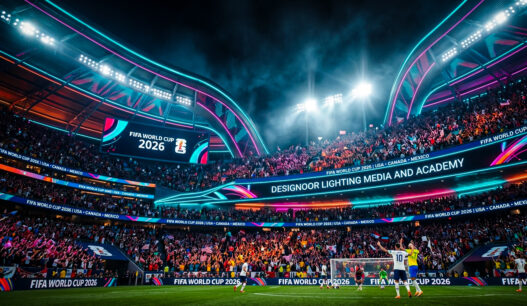
At night, the relationship changes. The stadium light edits the scene. It does not simply make the field visible; it gives the field priority. The pitch becomes the center of the visual composition. The background falls away. The players gain definition. The ball is easier to track. The crowd becomes less of a distraction and more of a surrounding texture. The match feels more concentrated because the light has reduced the visual noise around it.
This is not just a romantic impression. It has technical reasons.
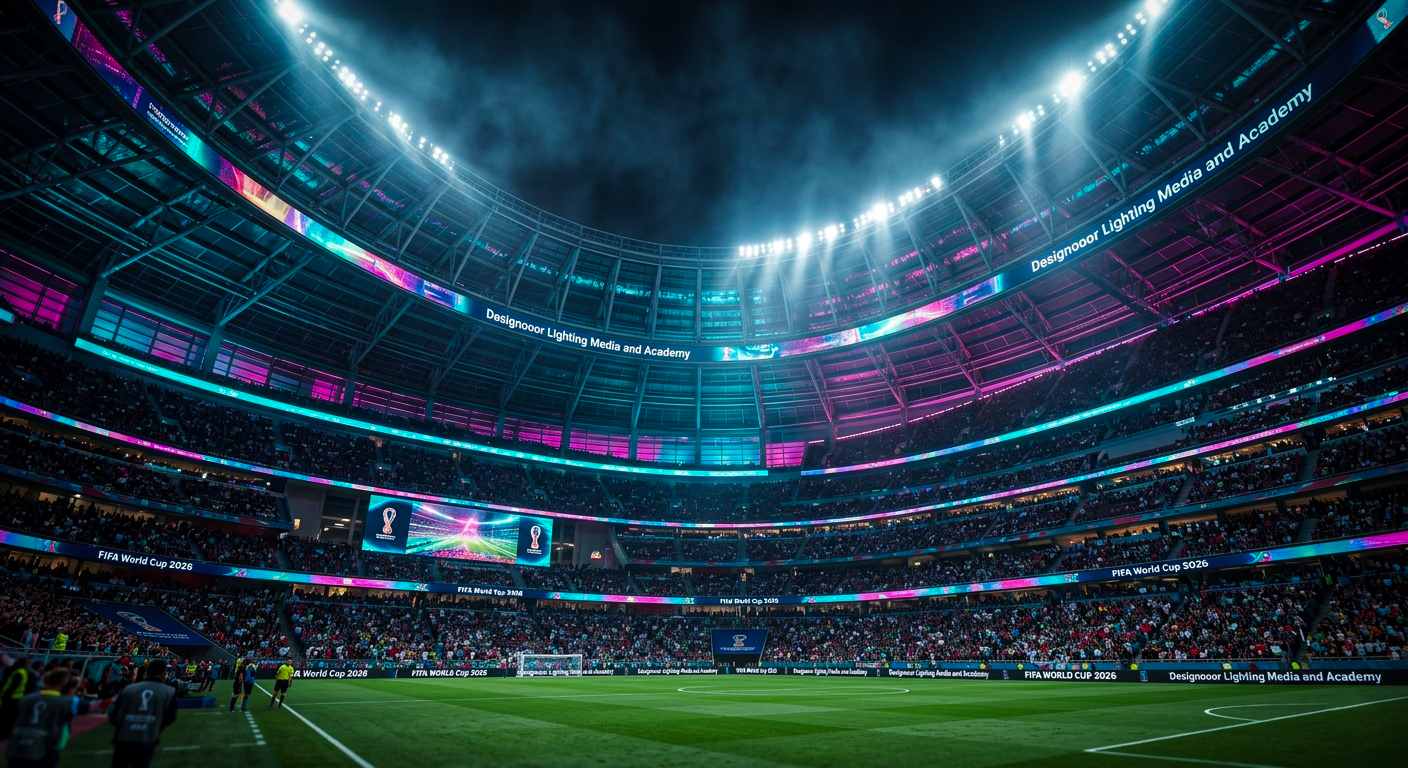
At the highest level of football, lighting must serve several audiences at once. Players need to read distance, speed, body position, and the movement of the ball in fractions of a second. Referees need visibility that supports judgment from changing angles. Spectators need comfort and clarity without excessive glare. Broadcast cameras need consistent vertical illumination, reliable color, controlled contrast, and minimal flicker, especially for slow-motion replay and high-frame-rate capture.
A stadium can look bright and still fail as a broadcast environment. Brightness alone is not enough. The issue is the quality of visibility. Horizontal illumination supports the playing surface. Vertical illumination gives shape to bodies, faces, jerseys, and movement. Uniformity keeps the eye from constantly adjusting as the ball travels across the field. Glare control protects players and spectators from the light source itself. Color quality keeps the grass, uniforms, skin tones, and sponsor graphics believable on screen. Flicker control matters because the modern viewer sees the game through cameras as much as through the naked eye.
In a night match, these technical decisions become atmosphere. A well-lit pitch has a particular tension. It is bright, but not flat. It is sharp, but not sterile. Good stadium lighting models the players against the field, separates the action from the stands, and gives the broadcast image a sense of depth. Poor lighting, by contrast, can make the same match feel heavy, uneven, or visually tiring.
This is why the best sports lighting is rarely noticed directly. When it succeeds, the viewer does not say, “What excellent vertical illuminance.” The viewer says the game feels alive. The action seems faster. The ball reads clearly. The tackle has weight. The goalkeeper’s movement is visible. The crowd appears present without overwhelming the play. The emotional response belongs to football, but the visual conditions have helped release it.
There is also a psychological dimension. Research into stadium atmosphere has long treated the venue environment as part of the spectator experience. Crowd density, sound, proximity, visual focus, and sensory intensity all influence how an event is felt and remembered. Lighting is one of those sensory conditions. Studies on ambient brightness and emotion suggest that brighter environments can intensify affective response. In a stadium, the effect is not simply a matter of making everything brighter. It is about directing brightness, contrast, and attention toward the event.
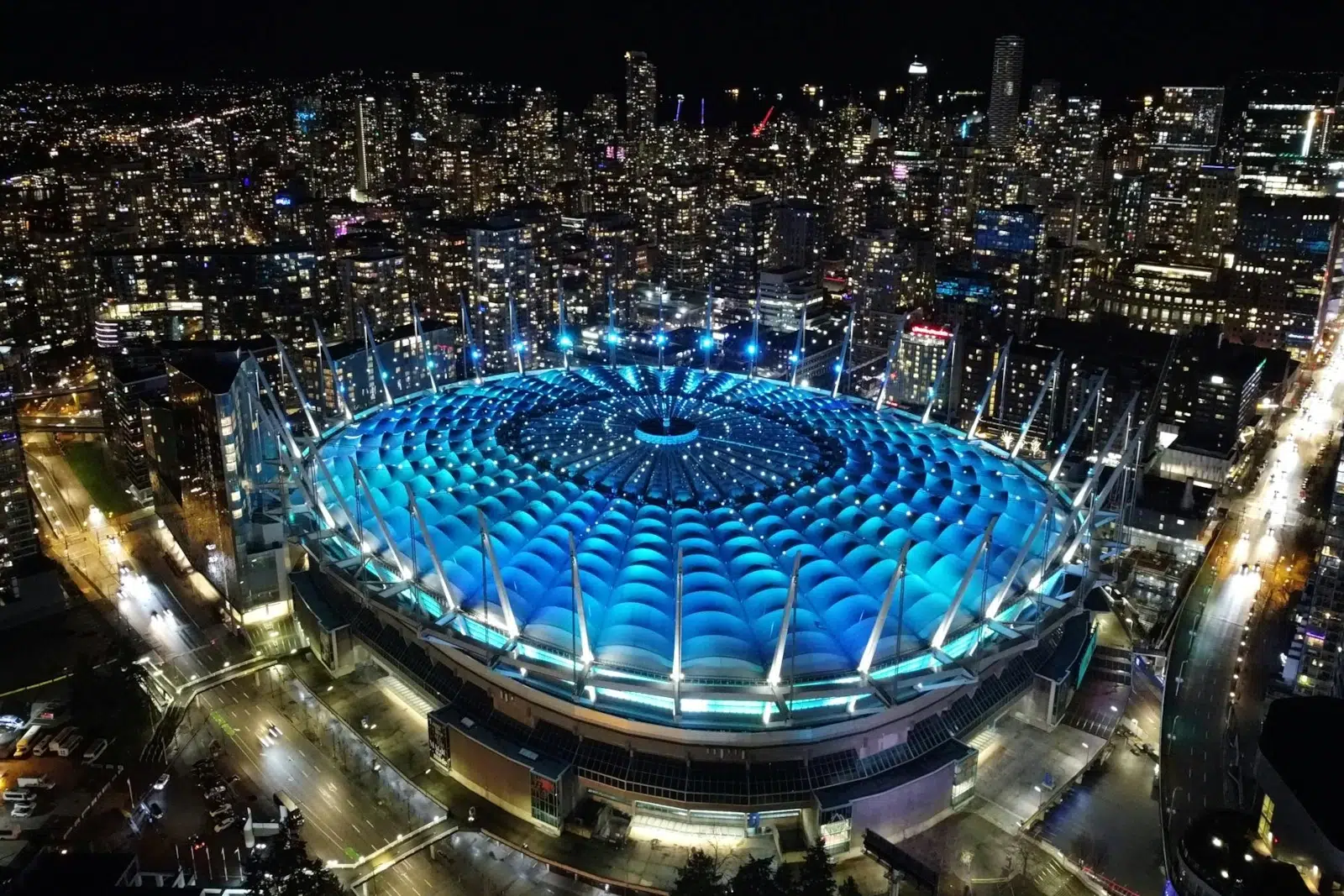
That distinction is important. A night game is not exciting because the floodlights are strong. It is exciting because the lighting system organizes the experience. It tells the eye where to look. It frames the pitch as the main stage. It creates a separation between everyday darkness and the illuminated event. It gives the crowd a shared visual center.
This is also where stadium architecture and lighting design meet. The position of luminaires, the geometry of the roof, the height of the lighting structure, and the camera locations all affect the final image. Modern requirements for elite televised football are not only about reaching a target light level. They are about balancing illumination, uniformity, glare, color, modeling, and broadcast performance. The design has to work for the player on the field, the fan in the upper tier, the camera on the halfway line, and the viewer watching from another continent.
The night match, then, is not just a later kickoff. It is a different visual contract.
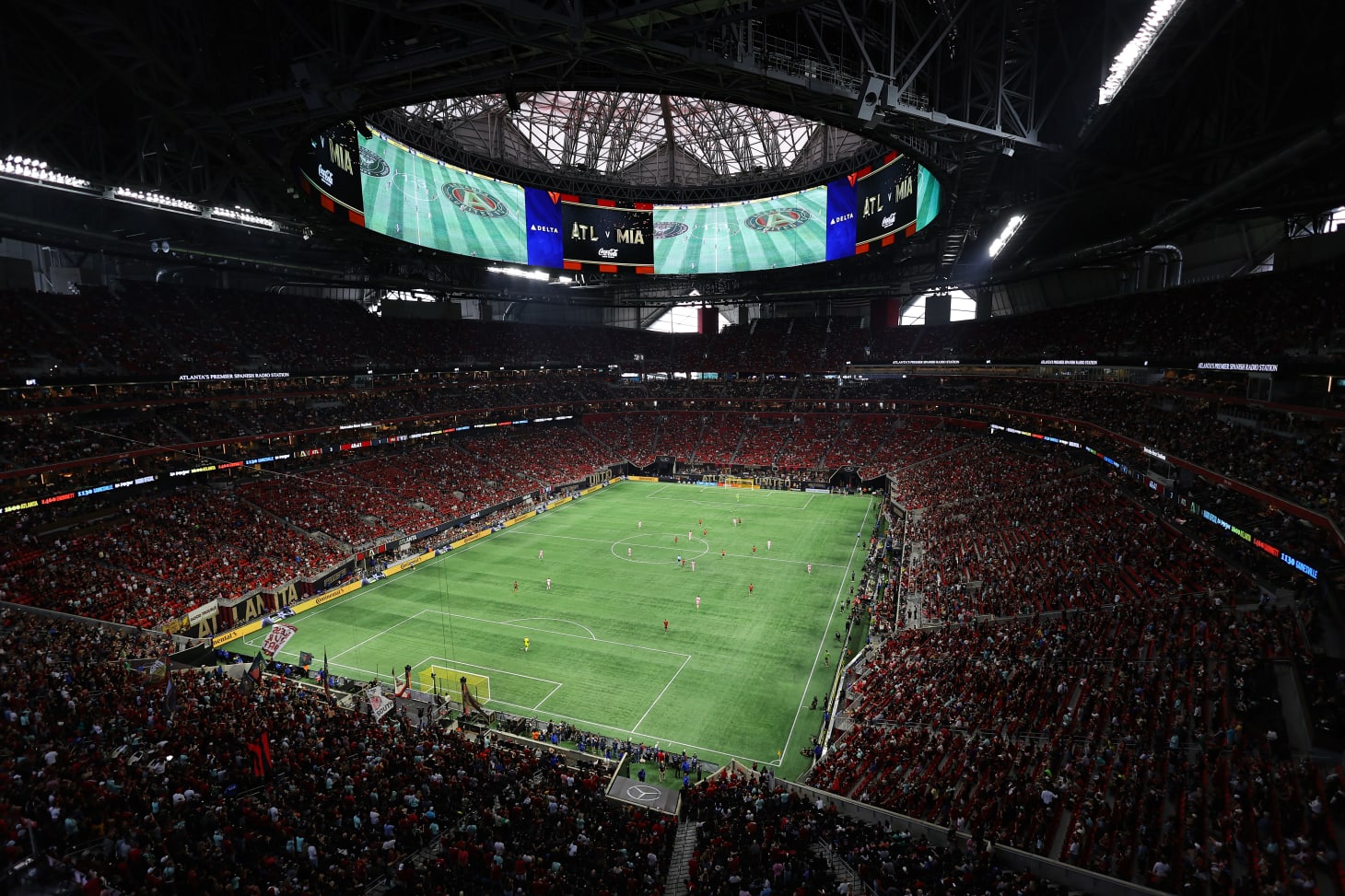
For the 2026 World Cup, this matters because most matches will still begin under daylight or transitional light. Those games will raise other lighting questions: sun angle, roof shadow, heat, glare, shade, and camera exposure. But the matches that begin at night will carry a different kind of visual intensity. They will show what stadium lighting can do when it becomes the dominant source, not the supporting one.
Football does not need artificial light to be beautiful. Some of the greatest matches in history have been played under the sun. But night football has its own architecture of feeling. It compresses the world into the field of play. It removes the ordinary day from the frame. It lets the stadium become an instrument.
For a lighting designer, that is the real subject. Not floodlights as decoration. Not spectacle for its own sake. But light as a system that shapes attention, emotion, performance, and memory. The game may belong to the players, but the way we see it, the way we hold it in the mind afterward, often belongs to the light.