





Light has long moved beyond its utilitarian origins. Today, it shapes rituals, defines atmosphere, and quietly influences the way people perceive objects, architecture, and one another. The winners of the Kioskedia International Award 2025 reflect this broader evolution, bringing together projects that treat lighting not as an accessory, but as a design discipline capable of communicating identity, emotion, and cultural context. From refined product concepts to carefully orchestrated architectural interventions, this year’s selection offers a compelling snapshot of where contemporary lighting design is heading.
As a proud media partner of the Kioskedia International Award 2025, Designooor Lighting Media & Academy presents the award-winning projects across the Lighting Product and Architectural Lighting categories, examining the qualities that set this year’s recipients apart.
Lighting Product

1st Winner | Puffy
Mohammad Hossein Shoorchi | Tehran, Iran 
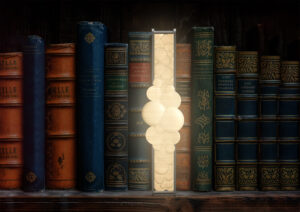
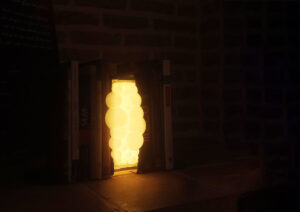
Some luminaires are designed to occupy a room. Puffy was designed to belong to one. Inspired by the proportions and quiet order of books resting on a shelf, the project transforms the familiar geometry of a library into a modular lighting object whose identity remains intact across multiple scales. The recessed spherical diffusers soften the composition while improving interaction with surrounding books, allowing the object to integrate seamlessly into reading environments. Rather than competing for attention through expressive form, Puffy succeeds through restraint, demonstrating how product design can emerge naturally from the culture and rituals of the space it inhabits.



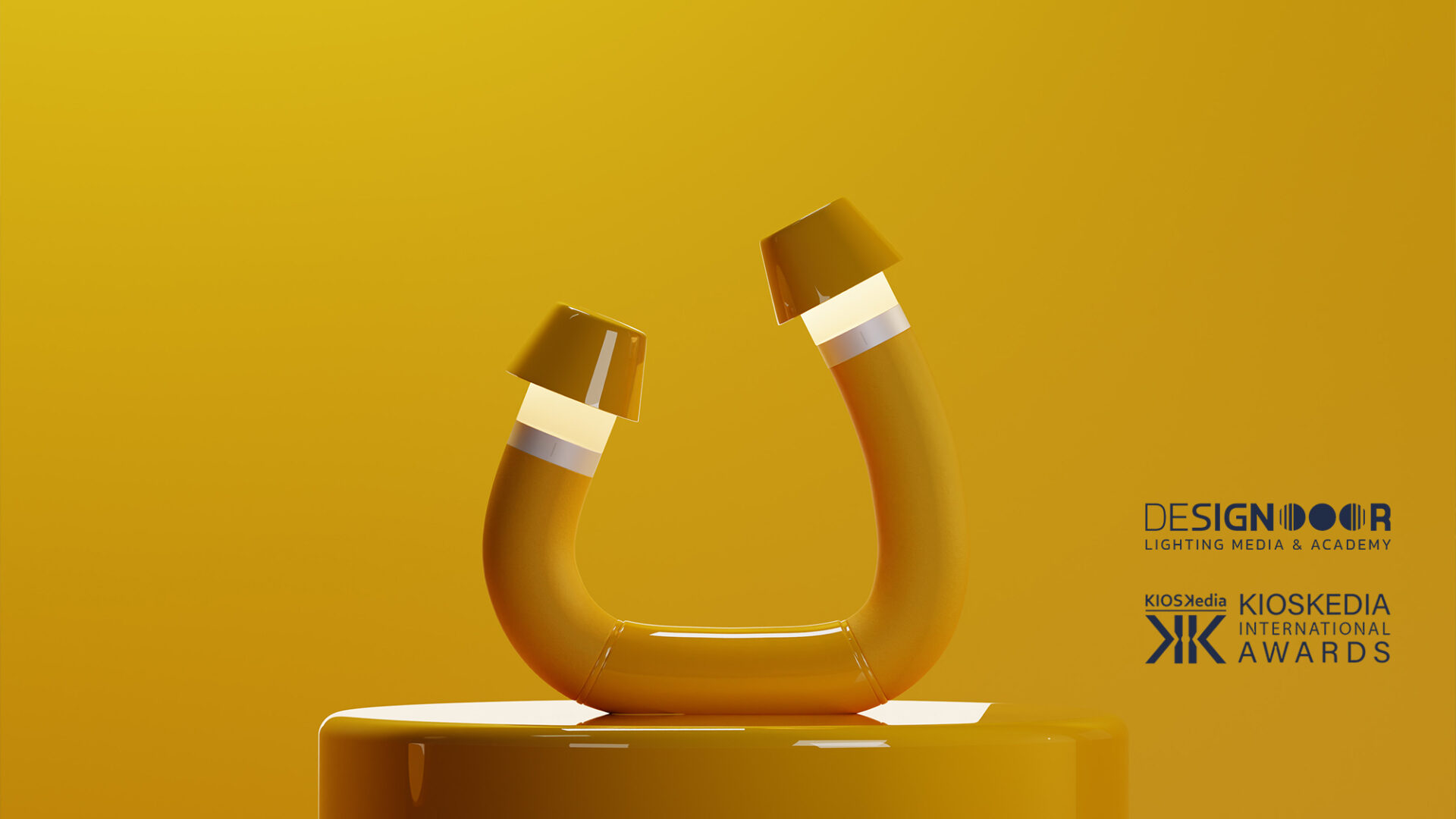
2nd Winner | Duo Light
Parsa Mohammadi Bakhshmand, Mehrdad Mahmoodi, Sana sharifnia, Hanieh Mohammadinejad Ganji, Kiarash Kazemi | Tehran, Iran
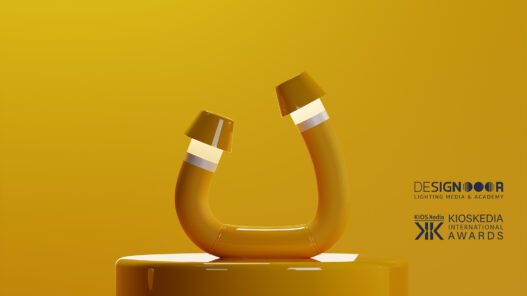
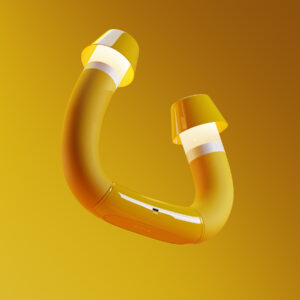
Instead of treating lighting as a static object, Duo Light explores the emotional language of companionship. Its two adjustable arms create a constantly changing relationship, allowing users to move effortlessly between focused task lighting and a broader ambient glow. The interchangeable colored caps introduce another layer of meaning by representing different identities and cultures, transforming customization into a subtle narrative about diversity and connection. The project succeeds because its symbolism never compromises usability, allowing interaction itself to become part of the design experience.

3rd Winner | RELIC
Kubilay Tolga Özer | Istanbul, Türkiye
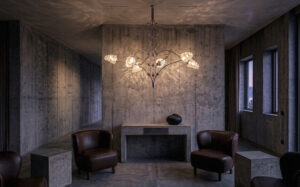
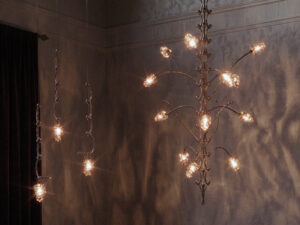
Few contemporary luminaires embrace contrast as confidently as RELIC. A rigid metallic skeleton supports delicate illuminated branches that appear to grow organically from within the structure, blurring the boundary between industrial fabrication and living matter. Instead of hiding its construction, the project celebrates it, allowing light to emerge as if it were the object’s internal life force. The result is a sculptural piece that feels simultaneously ancient and futuristic, where illumination becomes an expression of transformation rather than decoration.
Honorable Mentions
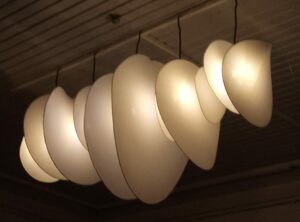
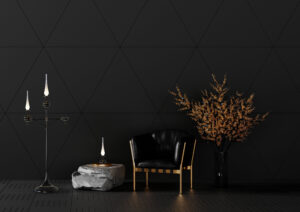
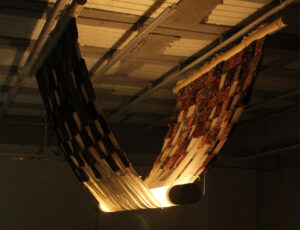
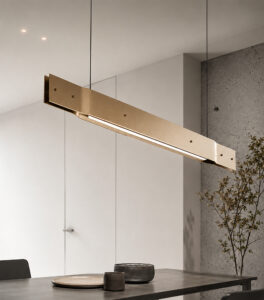
Lighting Architecture
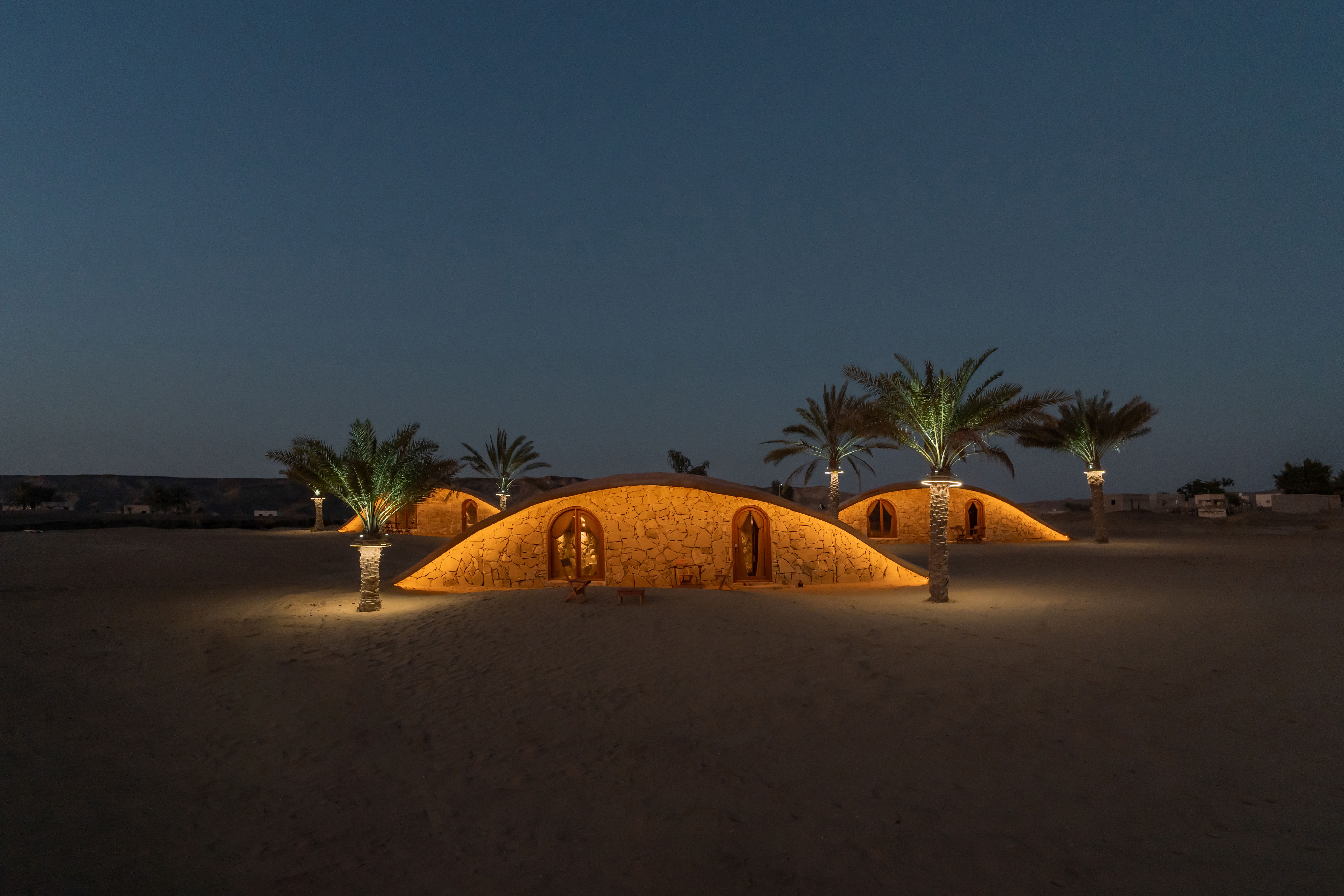
1st Winner | Didag Darak
Sharare Mirjazaei | Darak, Chabahar, Iran
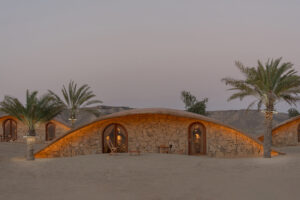
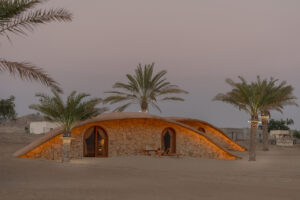
The most remarkable quality of Didag Darak lies not in what it illuminates, but in what it deliberately leaves untouched. Situated where the desert meets the sea, the project rejects the conventional impulse to conquer darkness, instead treating it as an essential architectural material. Warm, carefully restrained lighting reveals the tactile character of stone, timber, and gathering spaces while preserving the overwhelming presence of the night sky. Even the illuminated palm trees perform less as decorative elements than as quiet mediators between earth and horizon. The project demonstrates an uncommon confidence, proving that successful lighting design is often defined by precision and restraint rather than visual intensity.

2nd Winner | Nafase No
Meysam Hatami, Amirhossein Alaeiyan, Pardis Ghasempour, Ali Fouladi | Babol, Iran
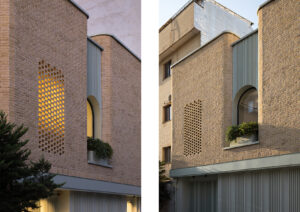
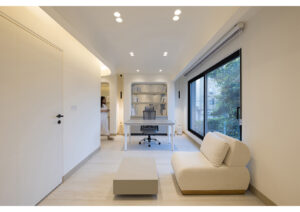
Adaptive reuse frequently focuses on preserving architecture. Nafase No expands that ambition by preserving emotional comfort. Transforming a traditional residence into a contemporary psychology clinic, the project employs lighting as an active therapeutic component rather than a technical necessity. Soft, diffuse illumination, restrained colour temperatures, and carefully balanced visual contrasts establish an atmosphere that minimizes sensory stress while maintaining spatial clarity. Instead of drawing attention to the luminaires themselves, the lighting quietly supports the psychological function of the space, allowing architecture and wellbeing to operate as a single experience.
3rd Winner | Auto Royal
Farbod Kasaei | Isfahan, Iran
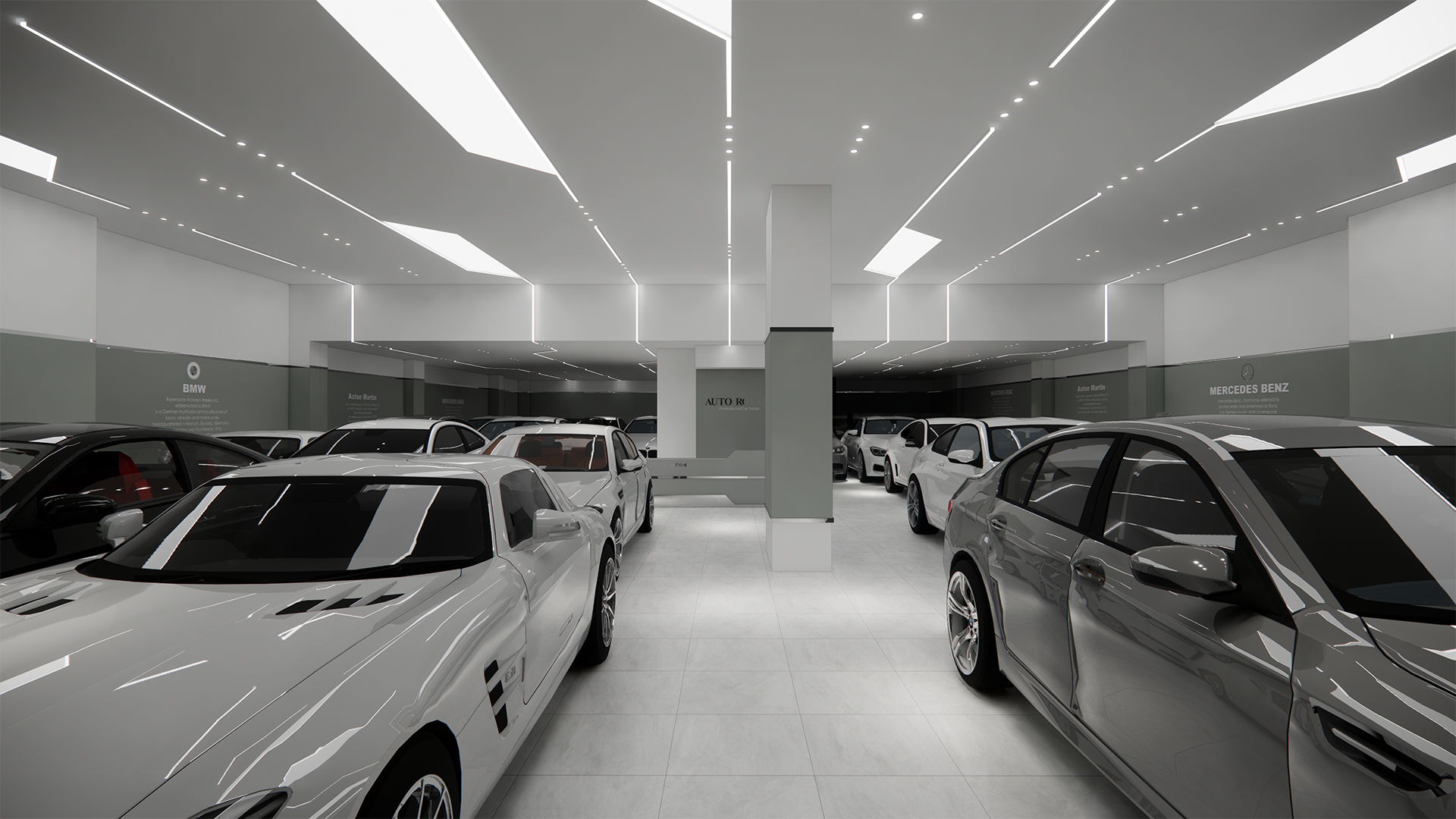
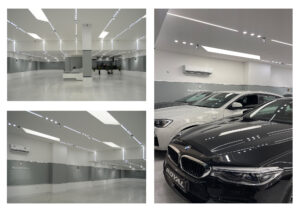
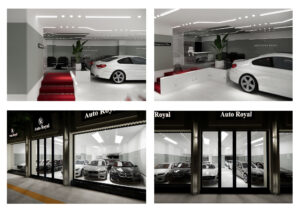
Rather than relying on extravagant architecture, Auto Royal demonstrates how lighting alone can define spatial identity. Developed around a layered strategy of luminous Barrisol ceilings, fragmented linear fixtures inspired by automotive body lines, accent panels, and adjustable spotlights, the showroom transforms vehicles into sculptural objects under precisely controlled illumination. Environmental graphics reinforce the narrative by tracing the evolution of automotive design across the walls, while the lighting orchestrates movement and visual hierarchy throughout the space. The result is less a commercial showroom than a carefully curated exhibition where light becomes the primary architectural language.
Honorable Mentions
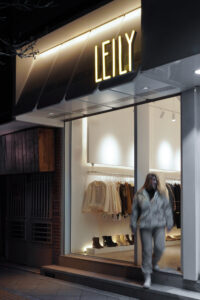
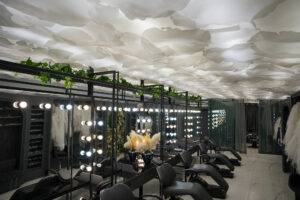
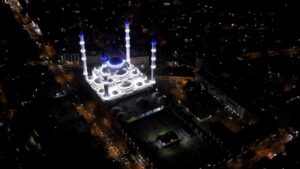
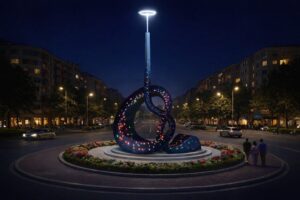
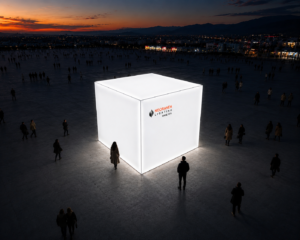
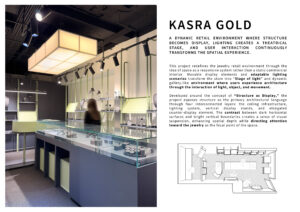
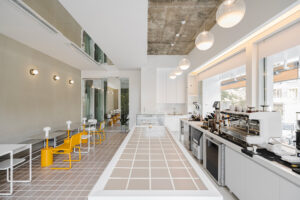
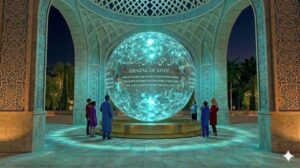
Editor’s Note
Every award season produces a list of winners. Only a few produce a collection of ideas worth revisiting once the applause has faded.
The projects recognized by the Kioskedia International Award 2025 suggest that contemporary lighting design is entering a quieter and arguably more mature phase. Across different scales and categories, spectacle gives way to intention. Instead of asking how much light can be added to a space, many of these projects ask what should remain untouched, what deserves emphasis, and what kind of experience light can quietly construct.
For us at Designooor, this distinction matters.
Design media should do more than circulate announcements. It should create context. Awards acknowledge achievement; critical discussion gives that achievement a longer life. That is why we see every partnership not simply as an opportunity to report results, but as an invitation to examine the ideas shaping the future of lighting design.
If these projects encourage more thoughtful conversations than easy admiration, they have already succeeded beyond the award itself.
Hamed Mahzoon
Editor-in-Chief
Designooor Lighting Media & Academy