










More Than Light: The Nervous
System of Our Future Homes
Exploring the intersection of connectivity and comfort.
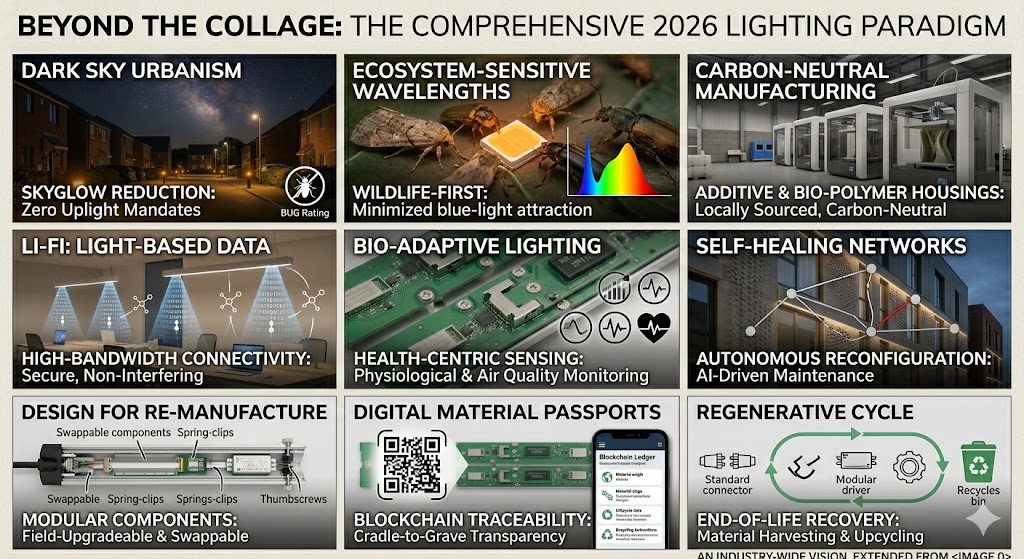
We’ve always thought of light as a basic utility, something we flick on to see and off to sleep. But as we move deeper into 2026, the ceiling above us is quietly transforming into something far more intelligent. It’s no longer just about the bulb; it’s about the “Digital Nervous System” that connects us. Think about the way our own bodies work. We have a nervous system that constantly sends messages, reacts to changes, and keeps us comfortable without us ever having to think about it. That is exactly where lighting design is headed. By using Li-Fi and Integrated IoT Sensors, our buildings are finally starting to “feel” and respond to our presence in a way that feels natural, rather than mechanical.
Connectivity Without the Clutter
We’ve all dealt with the frustration of spotty Wi-Fi or slow connections in a crowded room. Li-Fi changes that conversation by using light waves to carry data. Because light is everywhere in a room, your connection becomes more stable and much faster. But more importantly, it stays within the four walls of your space. It’s a private, secure bubble of information that exists only where the light reaches. 
“Imagine a world where your internet follows you as you walk from room to room, delivered by the very glow that lights your path. No more routers hidden in cupboards; just seamless, invisible connection.”
A Building That Breathes With You
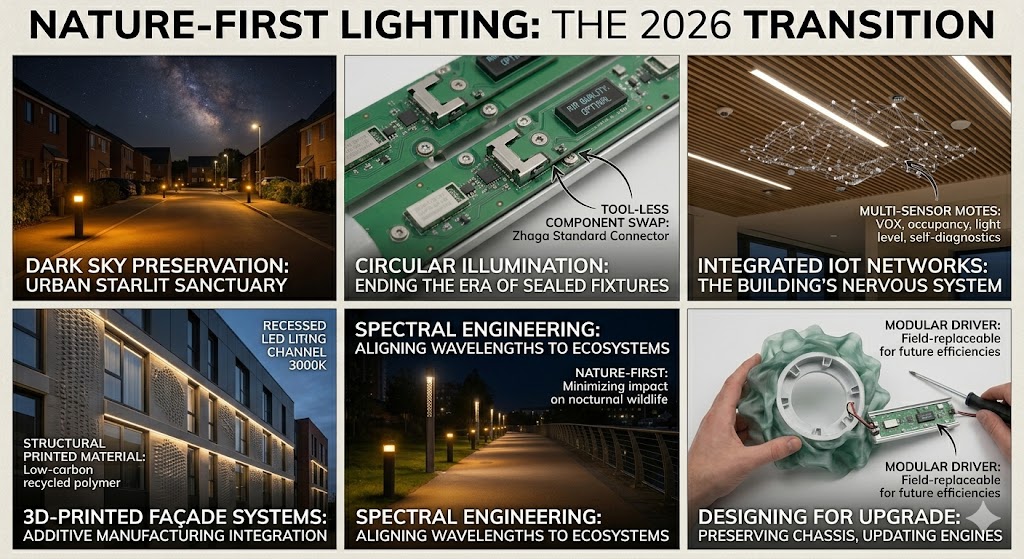
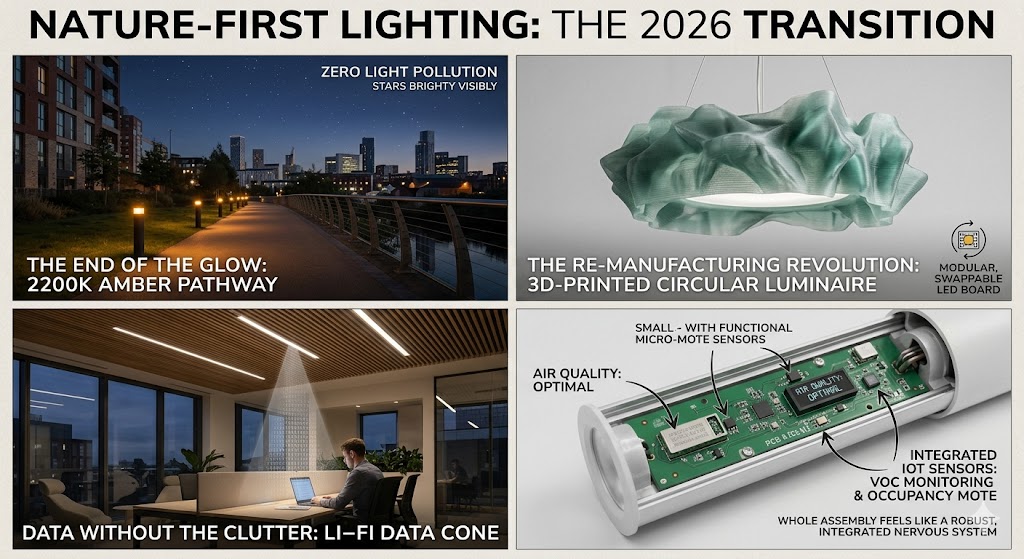
The real magic, however, happens in the tiny sensors tucked away inside these new fixtures. These aren’t just motion detectors that turn the lights off when you leave. They are sophisticated “motes” that monitor the air you breathe, the temperature of the room, and even the subtle shifts in your daily routine. If the air gets a little stale, the lights tell the ventilation to kick in. If the sun starts to set, the lights gradually warm up to match your body’s natural rhythm. This isn’t “tech for tech’s sake”, it’s about using innovation to make our environments feel more supportive and human.
The Invisible Caretaker
As designers, our goal has shifted. We aren’t just picking out pretty lamps anymore. We are creating “Self-Healing” environments. These systems can tell when they need a tweak or an update, adjusting themselves so you never have to deal with a flickering light or a cold room. In 2026, the best technology is the kind you don’t even notice. It’s the invisible caretaker in the ceiling, making sure the light is perfect, the connection is fast, and the air is clean, allowing us to focus on the things that actually matter: our work, our families, and our lives.