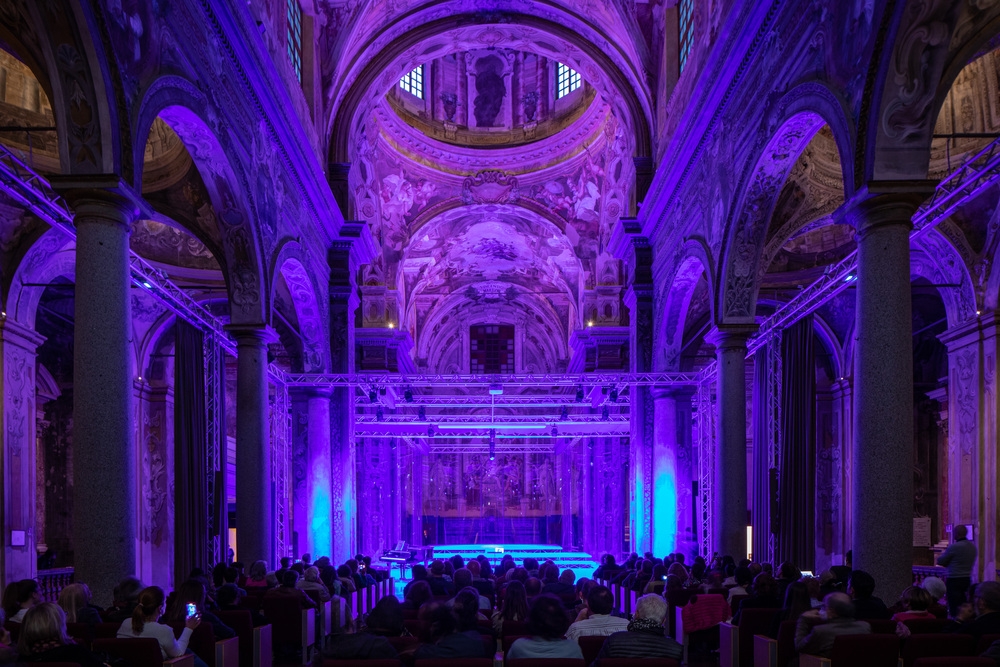






The Théâtre des Champs Elysées reads less like an authored statement and more like a sequence of observations patiently assembled. The ceiling, long present as an architectural certainty, begins to register as a condition that changes with occupation. What emerges first is not drama, nor symbolism, but a recalibration of attention. The dome, once visually dormant during performance hours, now participates in the room’s awareness without insisting on dominance.
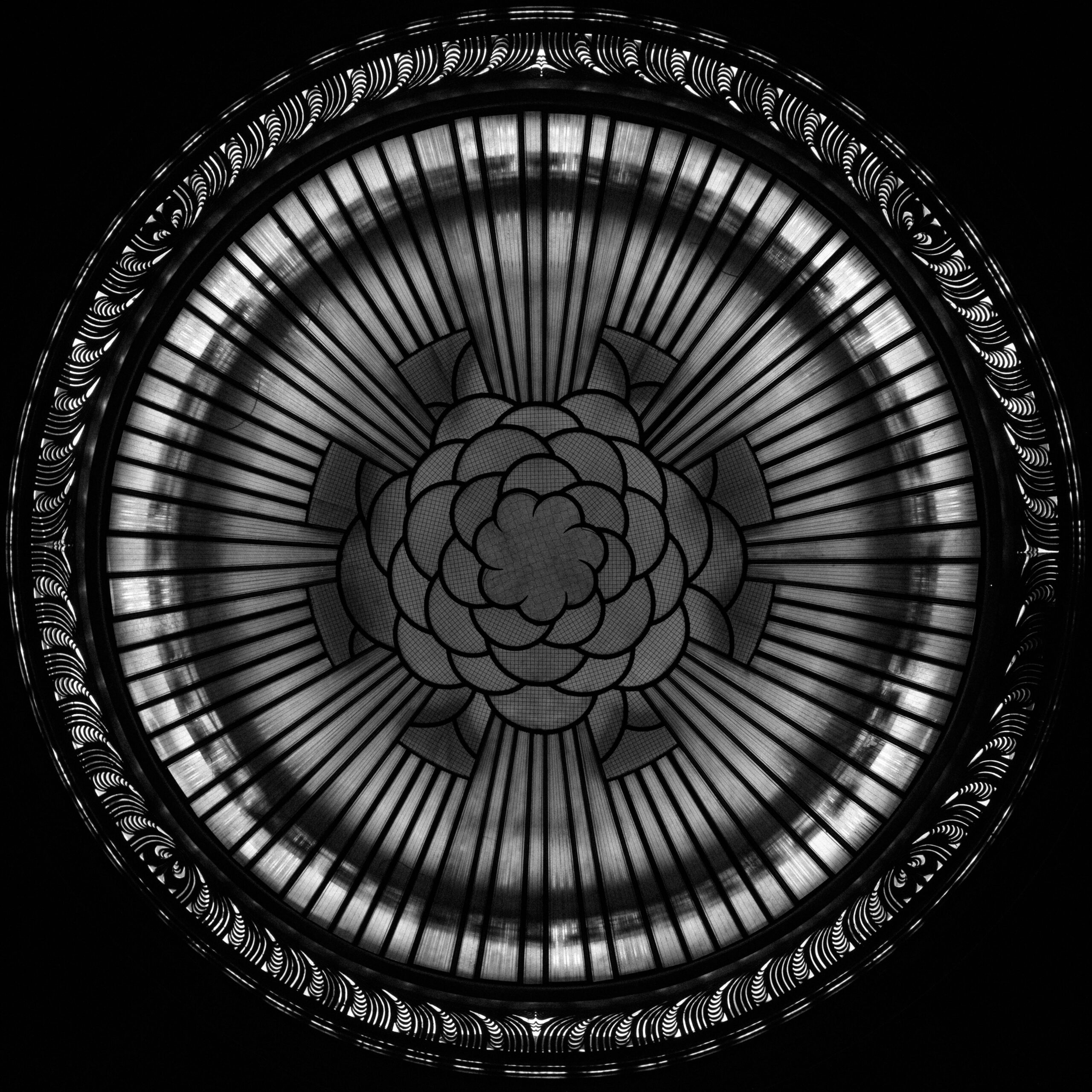
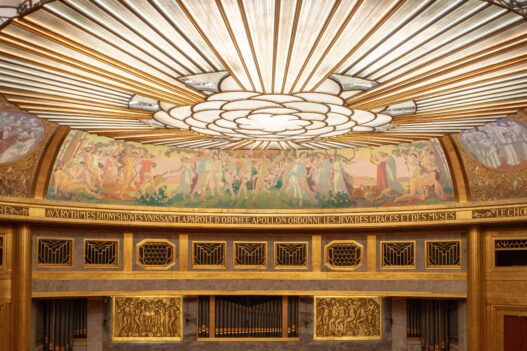
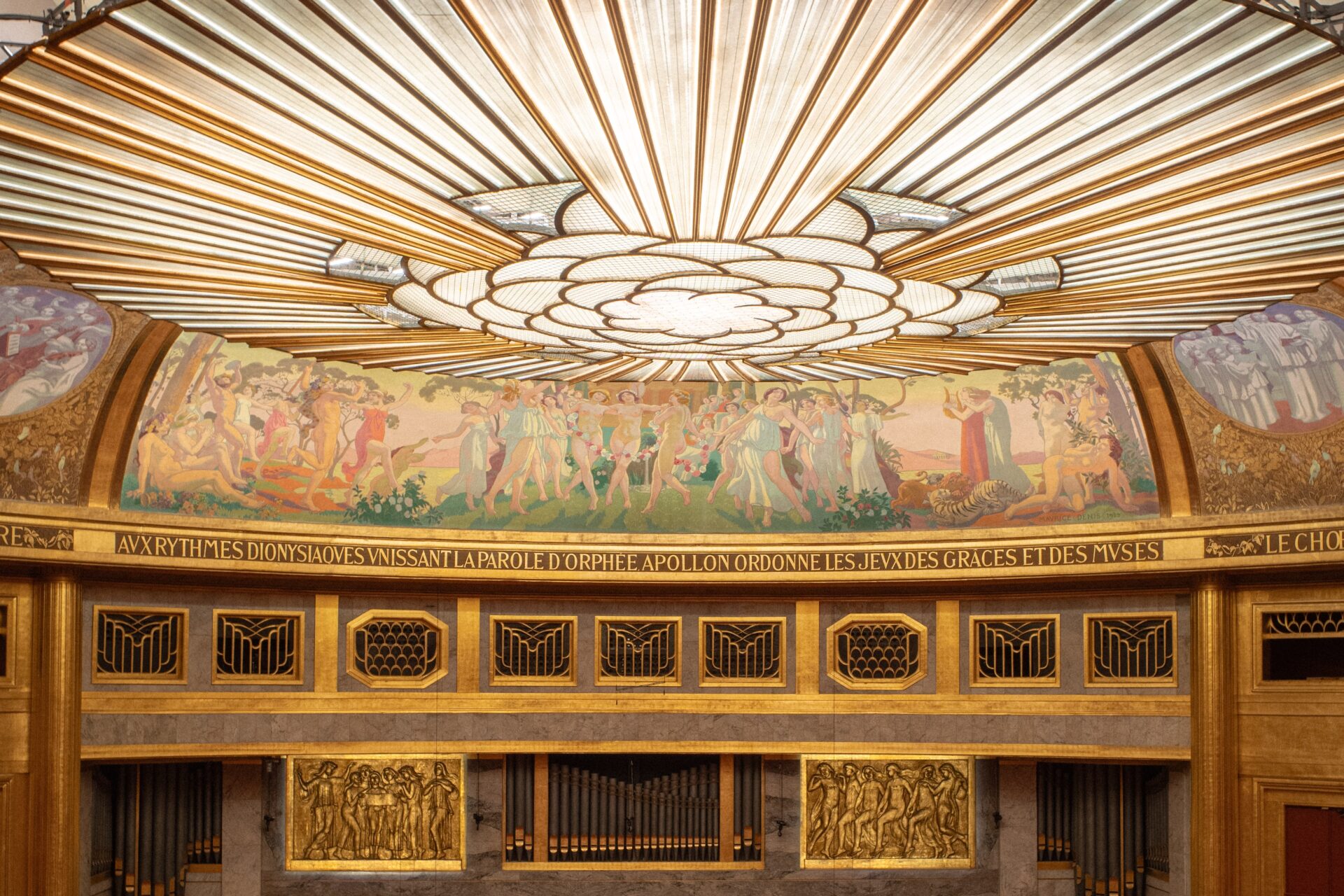
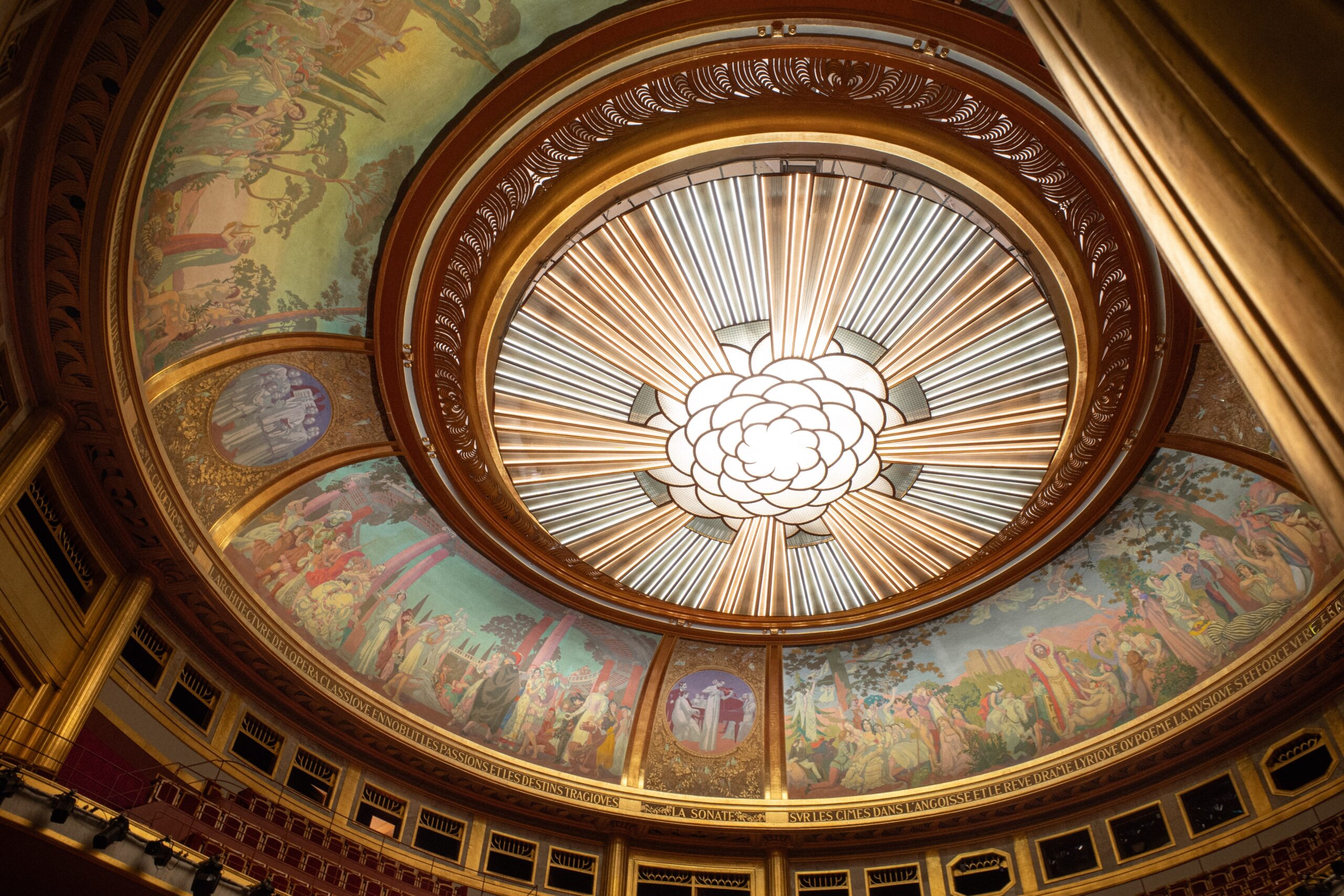
The lighting organizes perception through position. From the stalls, the radial order of the glass roof asserts itself with clarity, its geometry legible and composed. Higher in the house, the same system fractures into detail. Gilded edges, structural junctions, and painted surfaces come forward individually, each receiving light according to its physical logic. This variability does not feel accidental. The lighting accepts that the room will never be experienced from a single vantage point, and it allows those differences to remain visible.
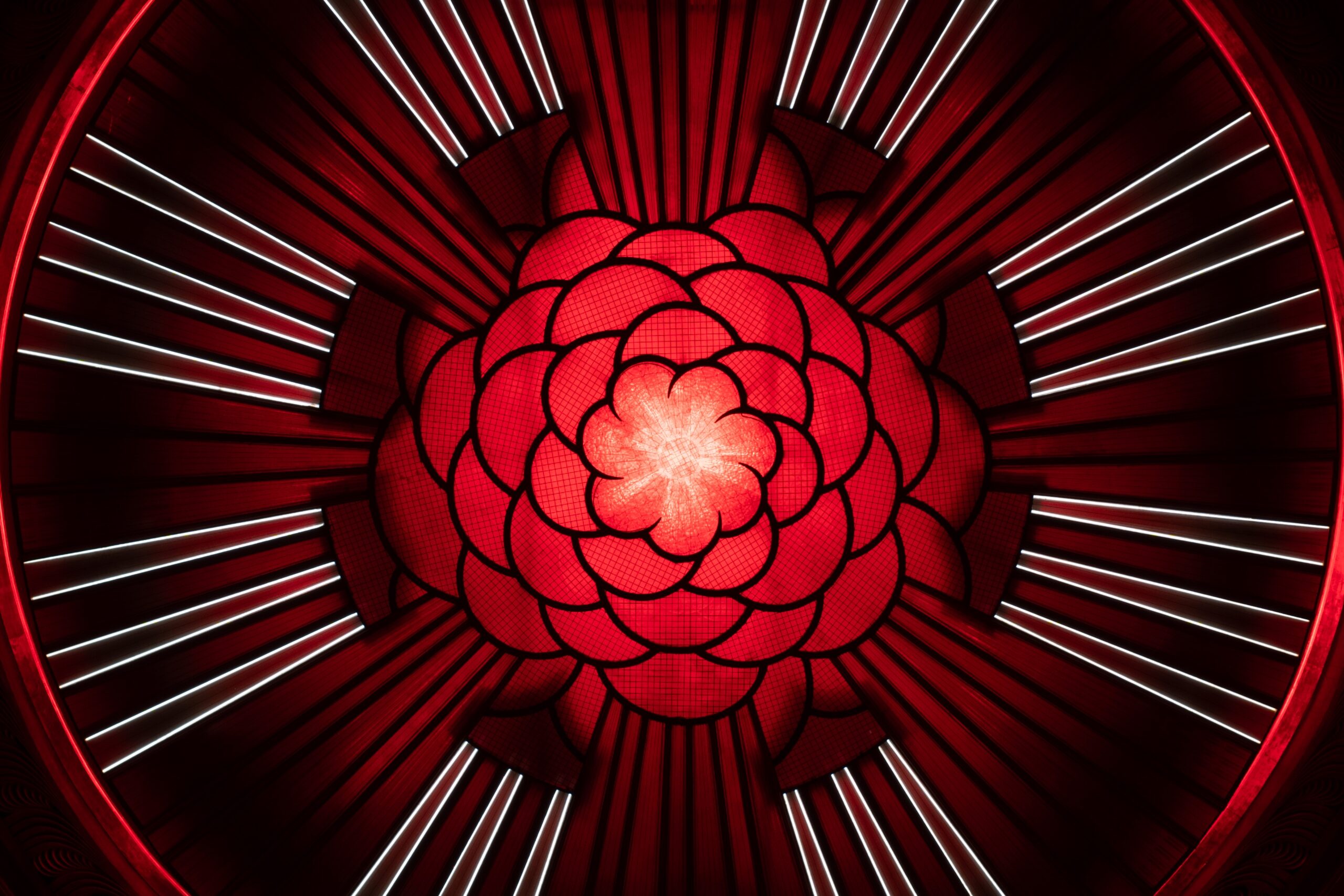

What becomes apparent is the designer’s reliance on existing form. The glass roof is treated as an optical device rather than a surface to be illuminated. Light is introduced with the expectation that it will reflect, scatter, and soften according to the dome’s construction. This produces an illumination that feels spatially embedded. The paintings gain presence through exposure rather than emphasis. Their appearance depends on duration and adaptation, not immediate impact.
There is restraint in how ornament is handled. Gold leaf and Art Deco detailing are revealed through grazing angles that describe texture and assembly. The light does not seek to heighten their decorative value. It records them as material facts. In doing so, it restores a sense of craftsmanship that had receded into abstraction over time. The historical layer is made readable without nostalgia.
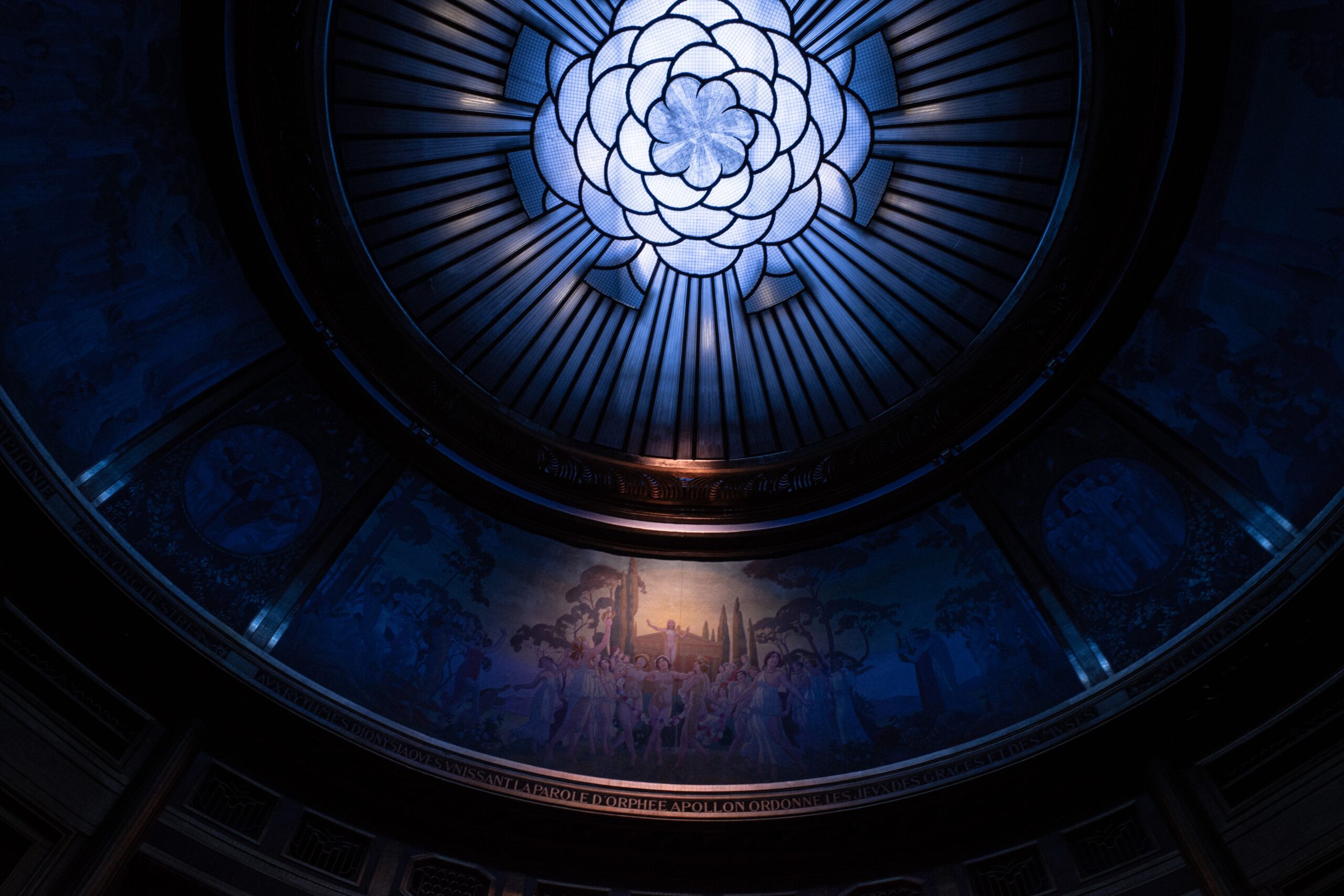
The moment when the house lights fall introduces the system’s most deliberate gesture. A concentrated luminous state briefly occupies the room, landing on the audience with precision. Its timing aligns the architecture with the performance cycle. The effect is clear, contained, and transient. It functions as a cue rather than a display, marking the transition into another temporal mode.
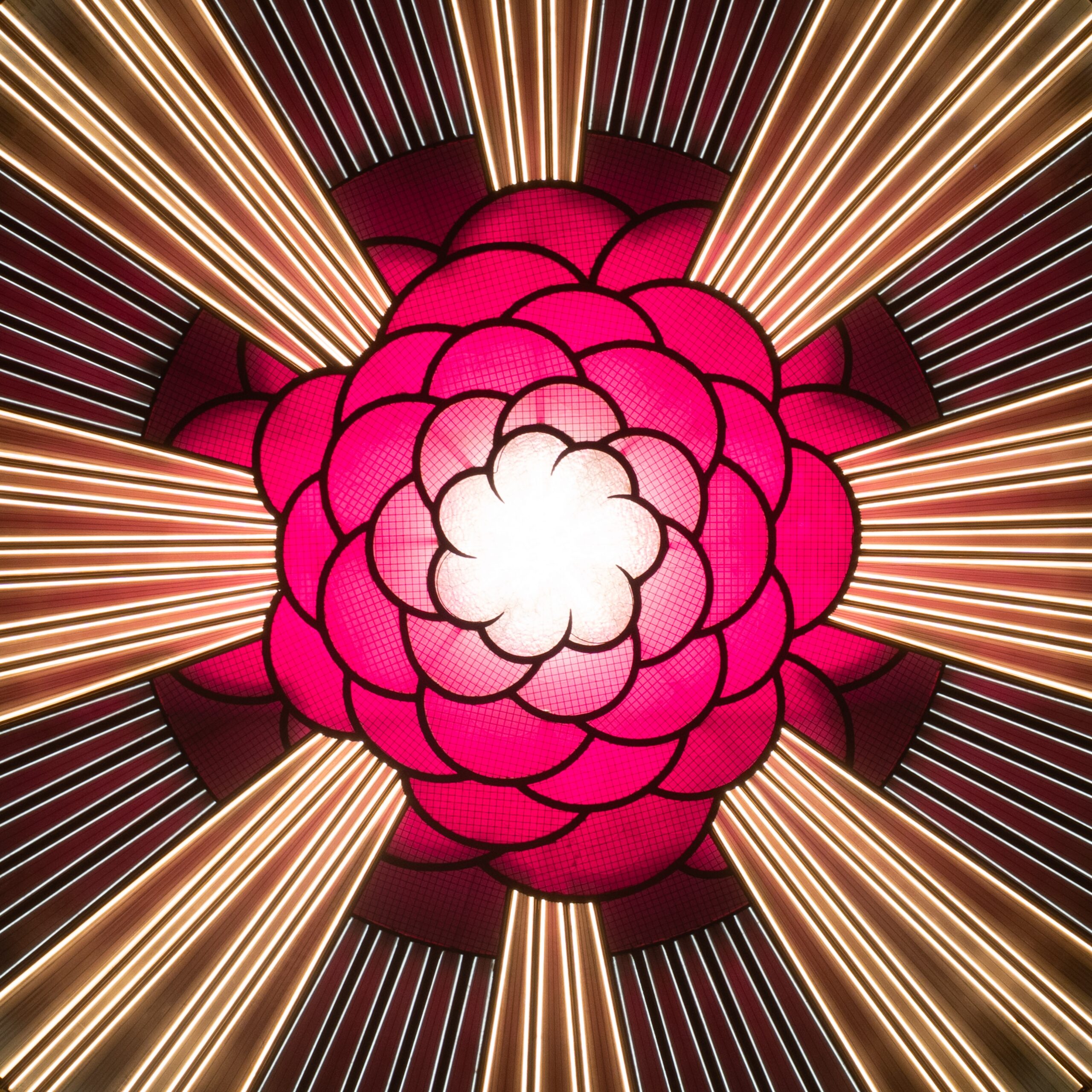
This capacity for change defines the dome’s new role. The lighting infrastructure positions it as an adaptable element within the theatrical apparatus. Programmability and zoning transform a fixed ceiling into a responsive surface. Its graphic potential remains open, available to interpretation by different productions. The design resists closure, favoring flexibility over resolution.
The technical framework supporting this shift operates quietly. Modular construction, repairable components, and calibrated LED driving currents address longevity without aesthetic consequence. Heat reduction, optimized placement, and lightweight cabling contribute to efficiency while remaining visually neutral. Sustainability here is embedded in system behavior, not expressed through form.
What ultimately changes is the audience’s relationship to the room. Light synchronizes the spectators with the stage through shared timing rather than visual focus. The architecture participates in the performance without competing for attention. It appears, withdraws, and reappears as needed.
The renewal does not redefine the Théâtre des Champs Elysées. It adjusts its sensitivity. The lighting introduces a condition where perception remains mobile, dependent on seat, moment, and use. In that mobility, the dome recovers agency. It becomes neither relic nor centerpiece, but an active participant in the life of the house.