







The Evolution of Silver Design: Lighting and Furniture for an Age of Grace
In a world where the design of our homes increasingly reflects the complexities and nuances of our evolving identities, a new trend is emerging. A trend that focuses not on youth or the sleek, streamlined aesthetics that have defined much of the 21st century, but on the wisdom, elegance, and comfort of those in the later stages of life. “Silver Design,” as it has come to be known, is about understanding and celebrating the unique challenges and beauty of aging, especially for those with silver or white hair. It is a subtle yet profound reflection of a society that is learning to embrace the aging process, not as a time of decline but as one of beauty, style, and grace.
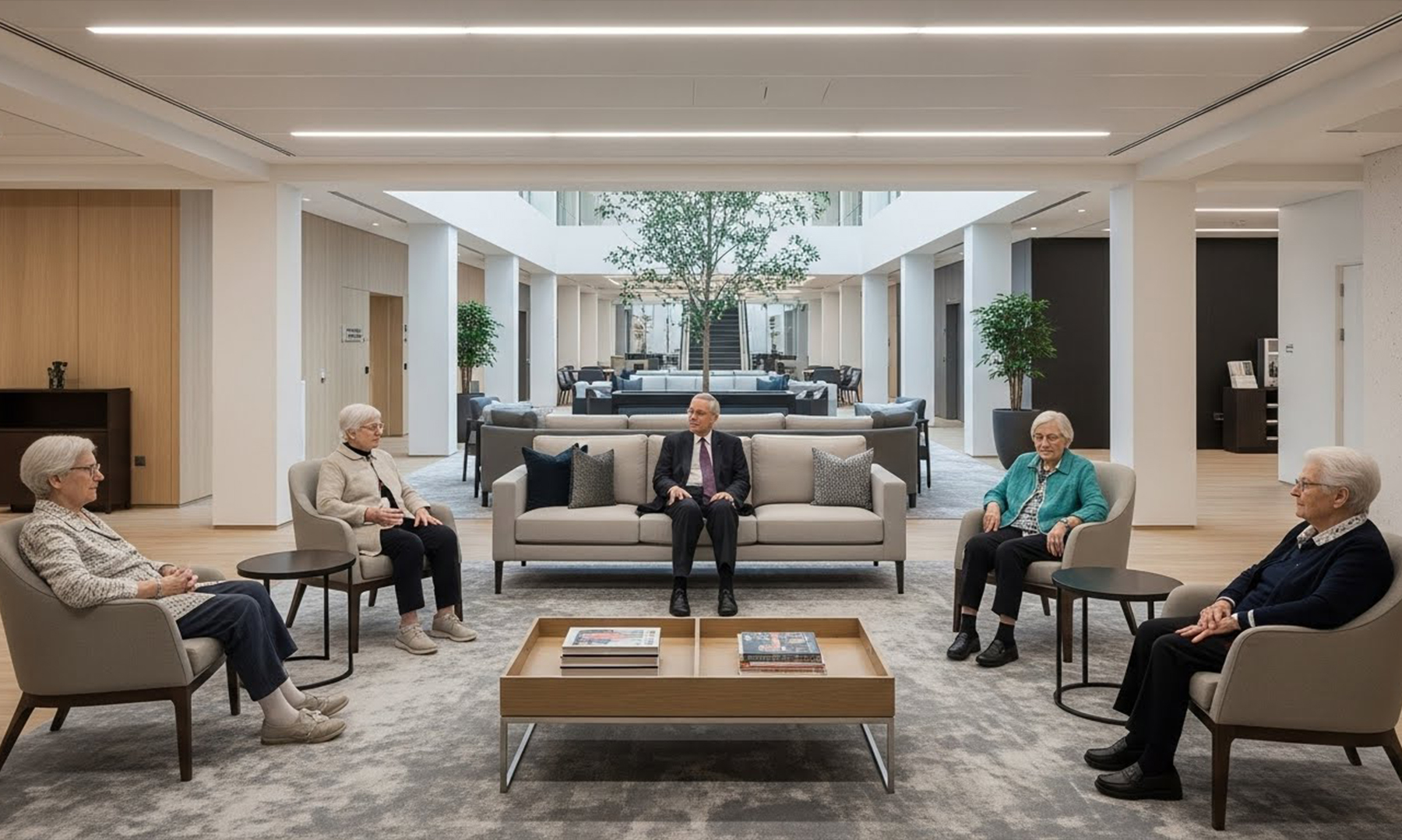
At the heart of this design philosophy is the importance of lighting. For the elderly, lighting isn’t merely functional, it’s transformative. Proper lighting can enhance mobility, promote independence, and create a sense of security. But beyond these practical considerations, it can also elevate the experience of living with age. There is a quiet luxury in the way light interacts with the spaces we occupy, a luxury that speaks to the subtleties of texture, shadow, and warmth. 
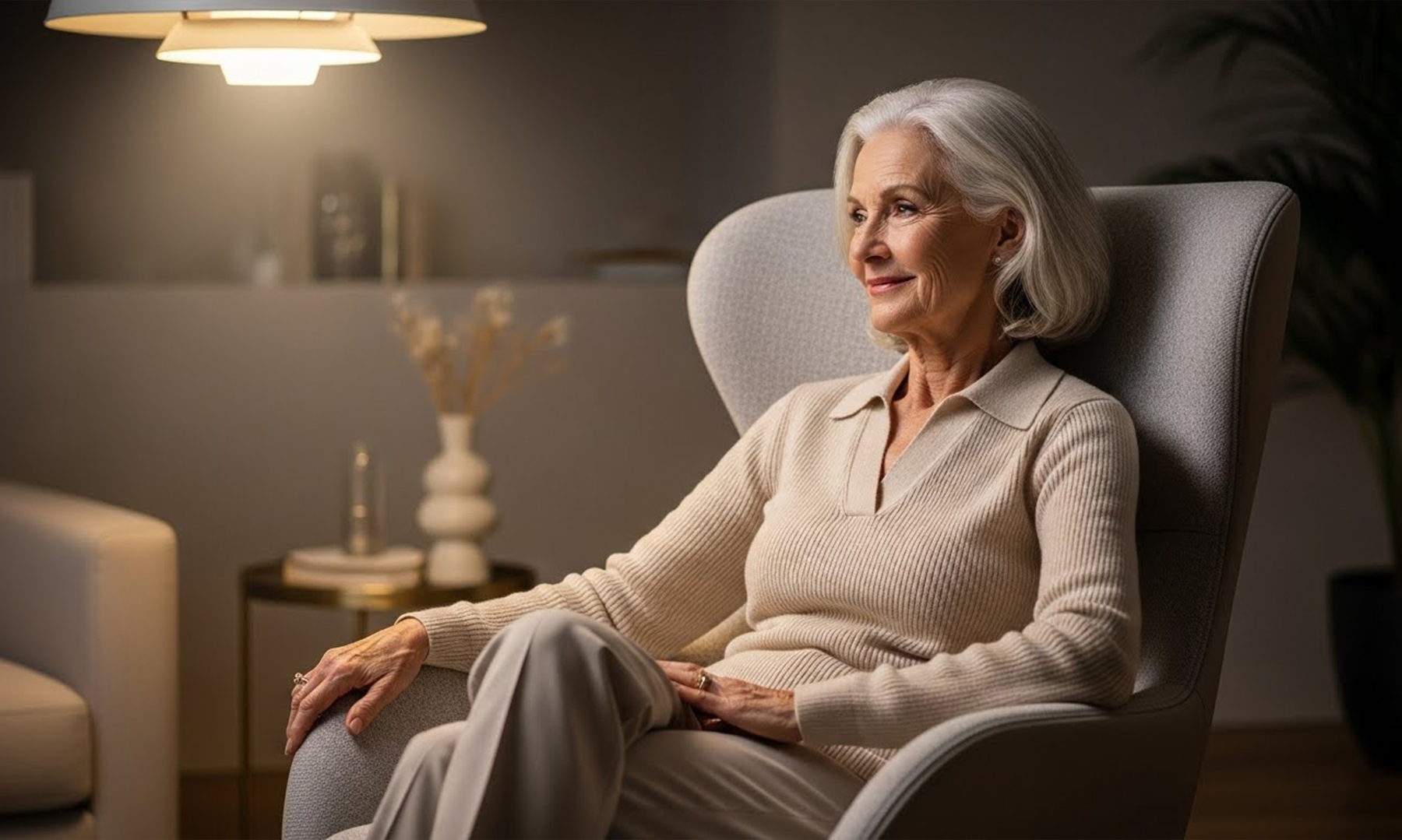
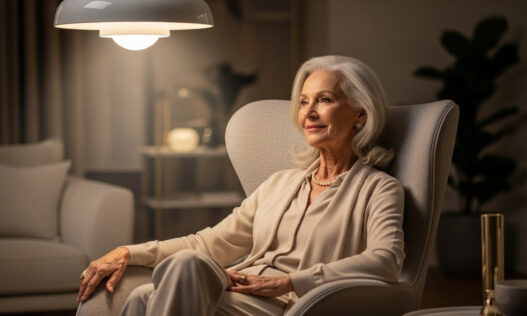
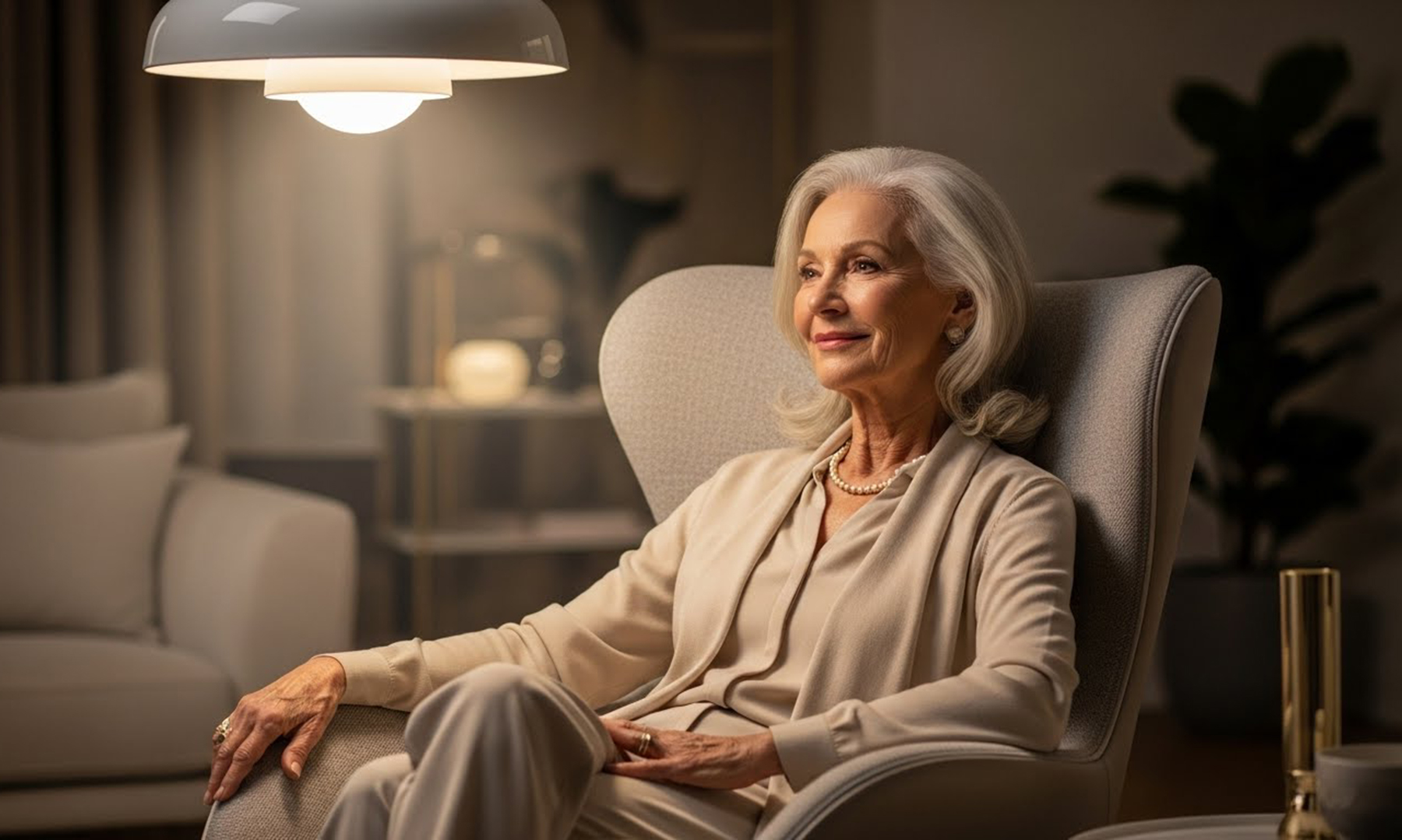
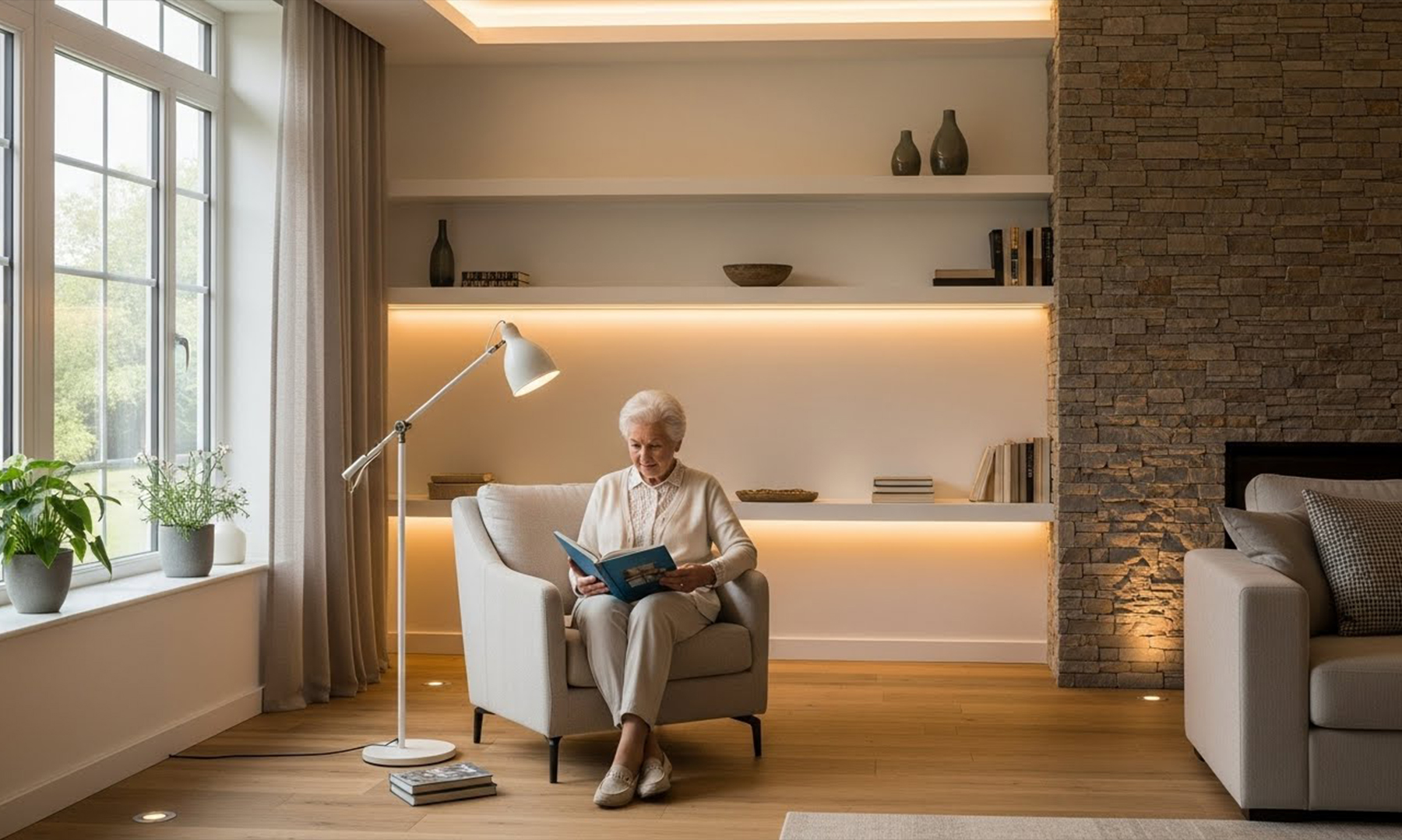
Consider the elderly woman with silver hair, her strands catching the light as it spills across the soft, sculpted curves of a modern armchair. Here, the lighting does more than just illuminate. It breathes life into the space. A pendant light, softly glowing above, emphasizes the sleek lines of her surroundings while casting warm, inviting tones over the furniture, each piece chosen with care to reflect both the elegance and comfort required by those in their golden years. The armchair, with its luxurious, ergonomic design, cradles the body, while the soft golden hue of the lamp above offers both visual warmth and practical clarity.
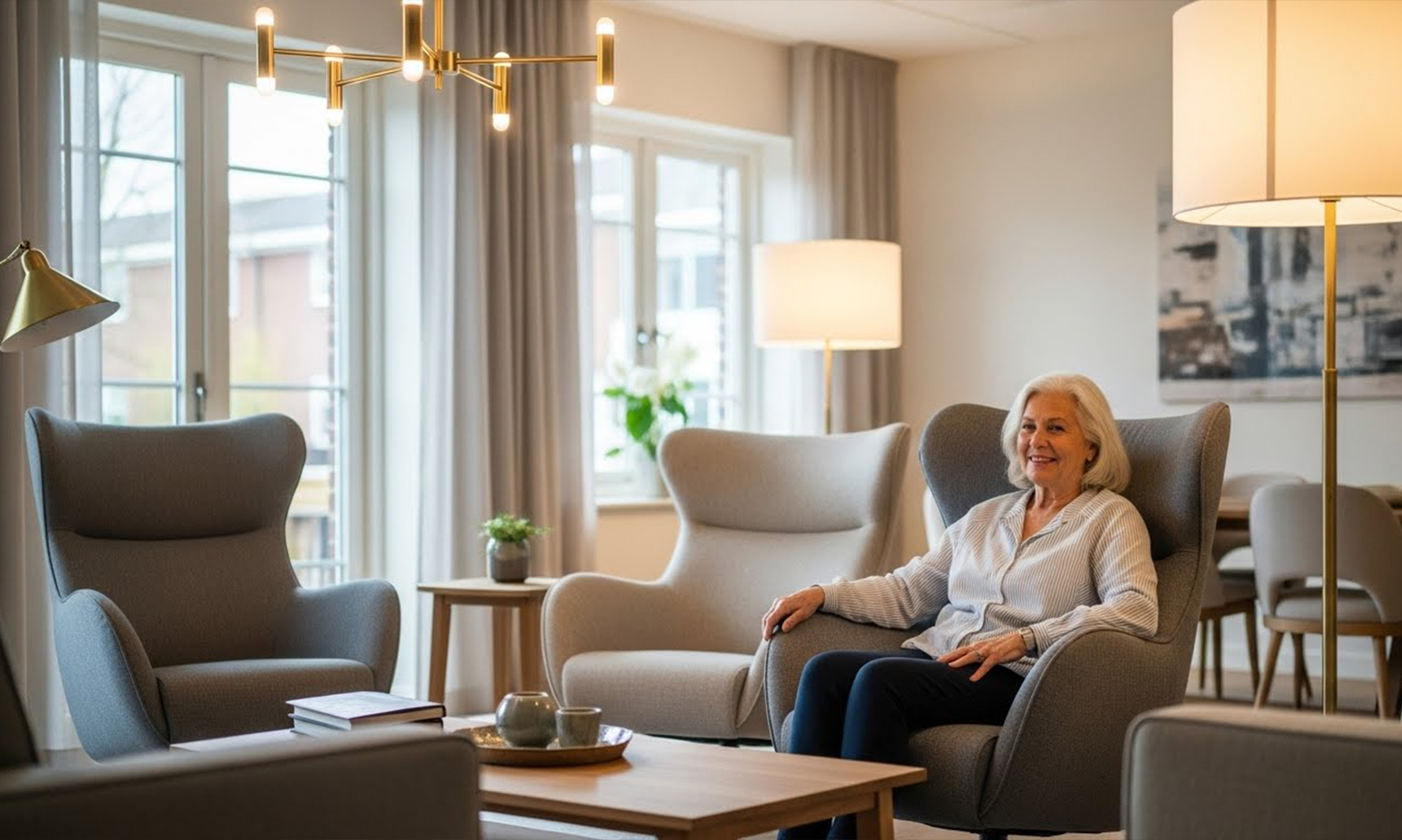
The intersection of lighting and furniture design for this demographic is an intricate dance between form and function. Furniture must be crafted to provide comfort and support without compromising on style, while lighting must do the same, illuminating without overwhelming, enhancing vision without creating glare. Silver Design takes this balance to heart. The light fixtures chosen for these spaces often carry a sense of timelessness, brass and gold accents that reflect the warmth of age, creating spaces that feel less like rooms and more like sanctuaries.
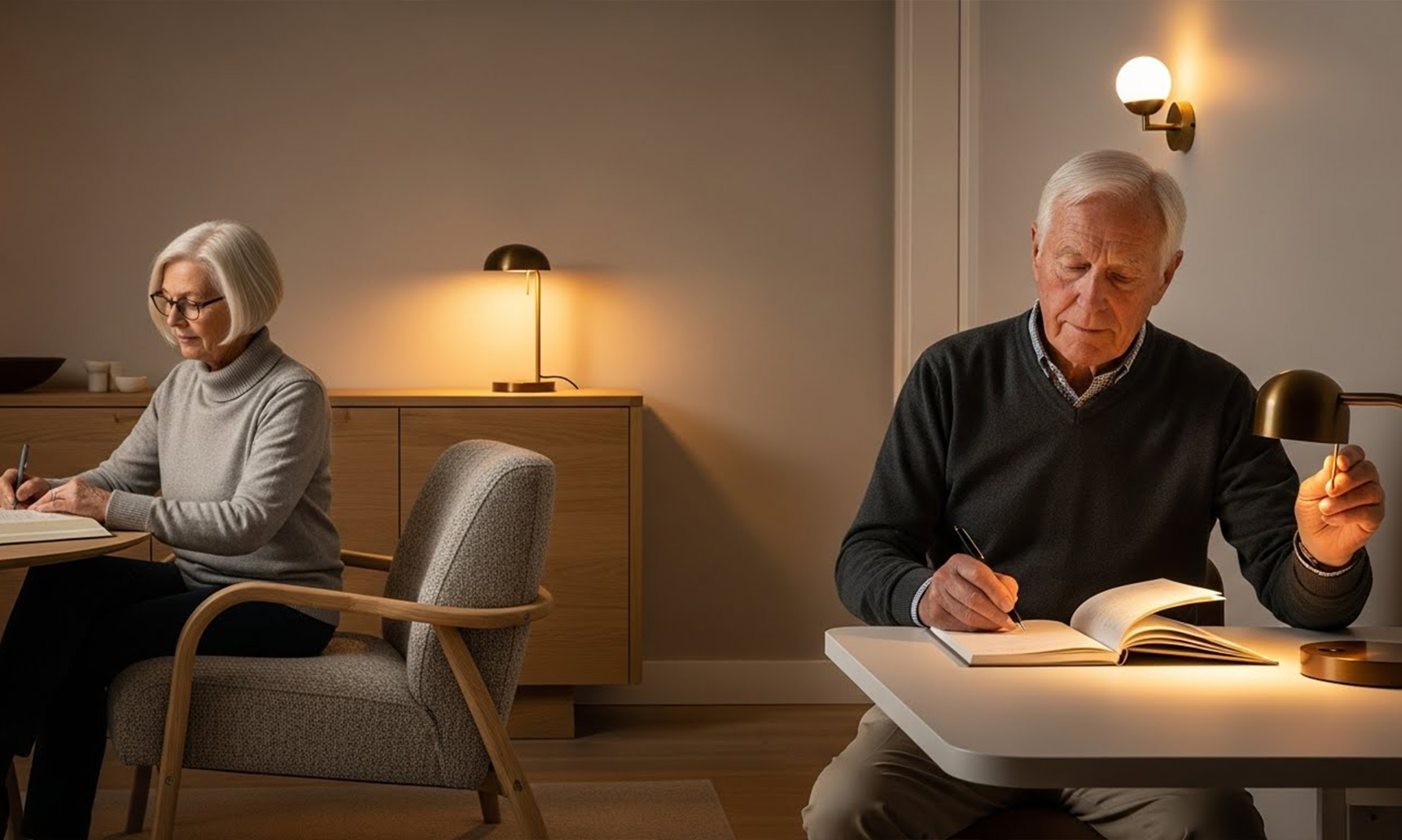
But this isn’t just about aesthetic choices. It’s about understanding how light can interact with the individual. As we age, our eyes change. We need more light to see clearly, and we crave soft, ambient illumination that doesn’t strain the senses. Lighting design for the elderly is about creating environments where visibility is enhanced without harshness. Soft diffused light, placed strategically, can highlight the contours of a piece of furniture, like the curve of a sofa or the edge of a sculptural lamp, while making the room feel expansive and welcoming.
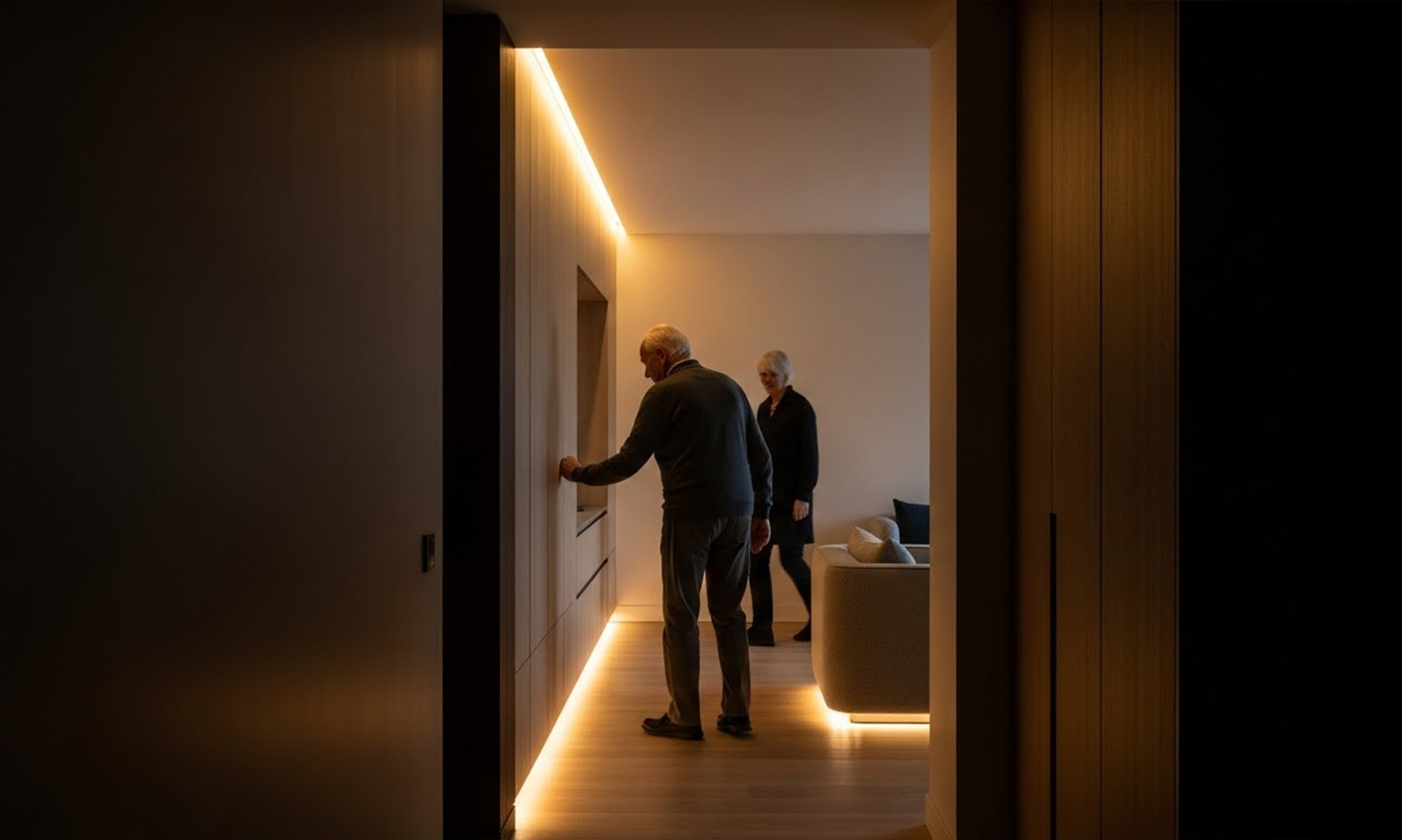
Moreover, the furniture itself plays a critical role in this equation. For those with silver hair, or who are approaching their senior years, furniture must be designed with both physical and emotional comfort in mind. The pieces must be more than just aesthetically pleasing; they must be functional and easy to use. A sofa with a high back and firm seat provides the support needed for getting up and down with ease. A table with rounded edges ensures safety, while a lamp with a dimmer switch offers the flexibility to adjust the mood of the space depending on time of day or personal preference.
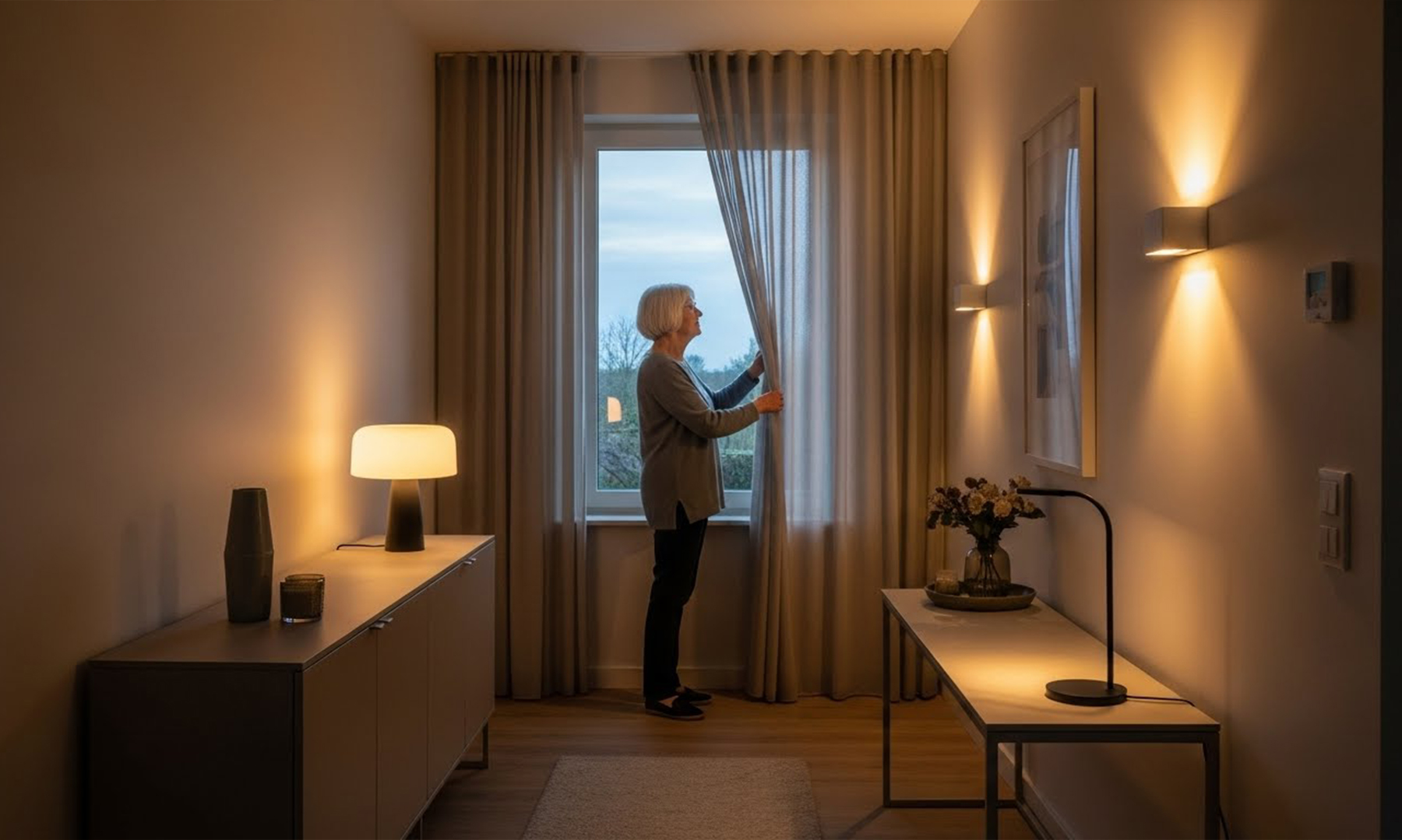
Silver Design is not simply a design trend, it is a testament to the way we perceive aging. It acknowledges the reality that people are living longer, and with that comes a need for spaces that support this new chapter in life. These designs celebrate the beauty of age, combining the wisdom of experience with the luxury of modernity.
As we look to the future of Silver Design, there is a growing understanding that the aesthetic choices we make as designers, architects, and consumers can shape not only the way we live but how we experience the passage of time. Lighting and furniture, when thoughtfully designed for those with silver hair, can enhance life’s later years in ways that are both practical and poetic.
Call to Action:
If you are a designer, architect, or enthusiast of timeless spaces, how do you envision the future of aging in design? How can lighting and furniture design better serve those who have reached their silver years? Share your thoughts or connect with me to explore how we can collectively shape the spaces that will define the next generation of design for the elderly.
If you’re designing lighting today, ask yourself who your light is truly serving.