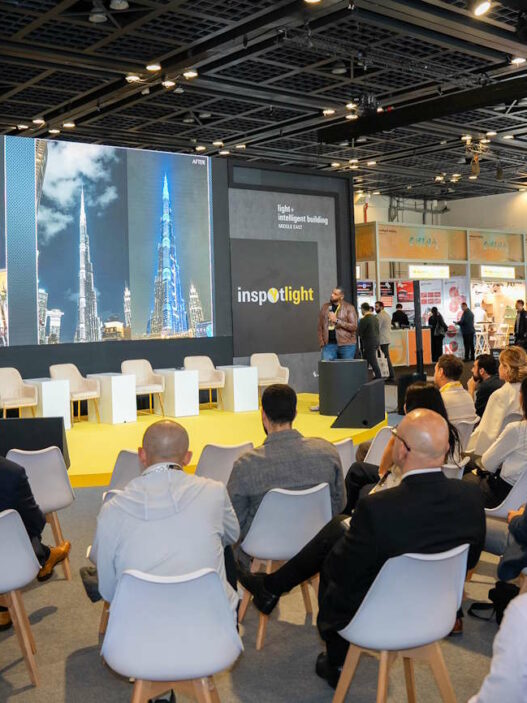





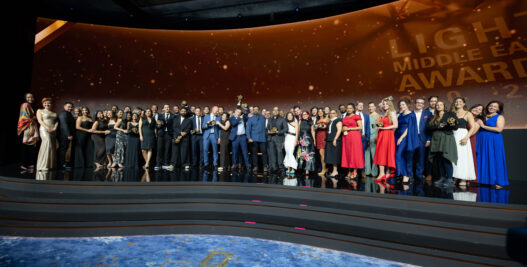
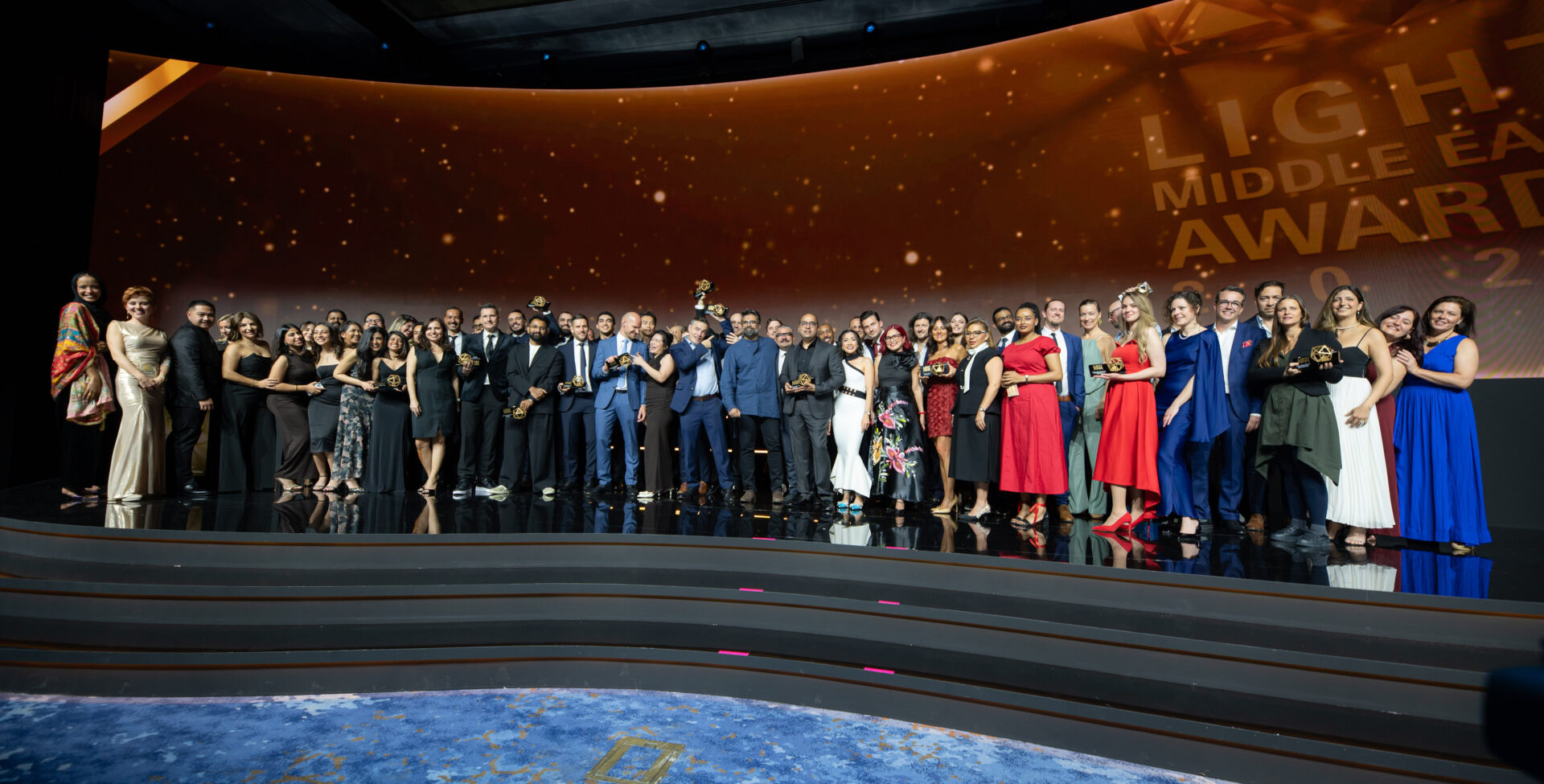
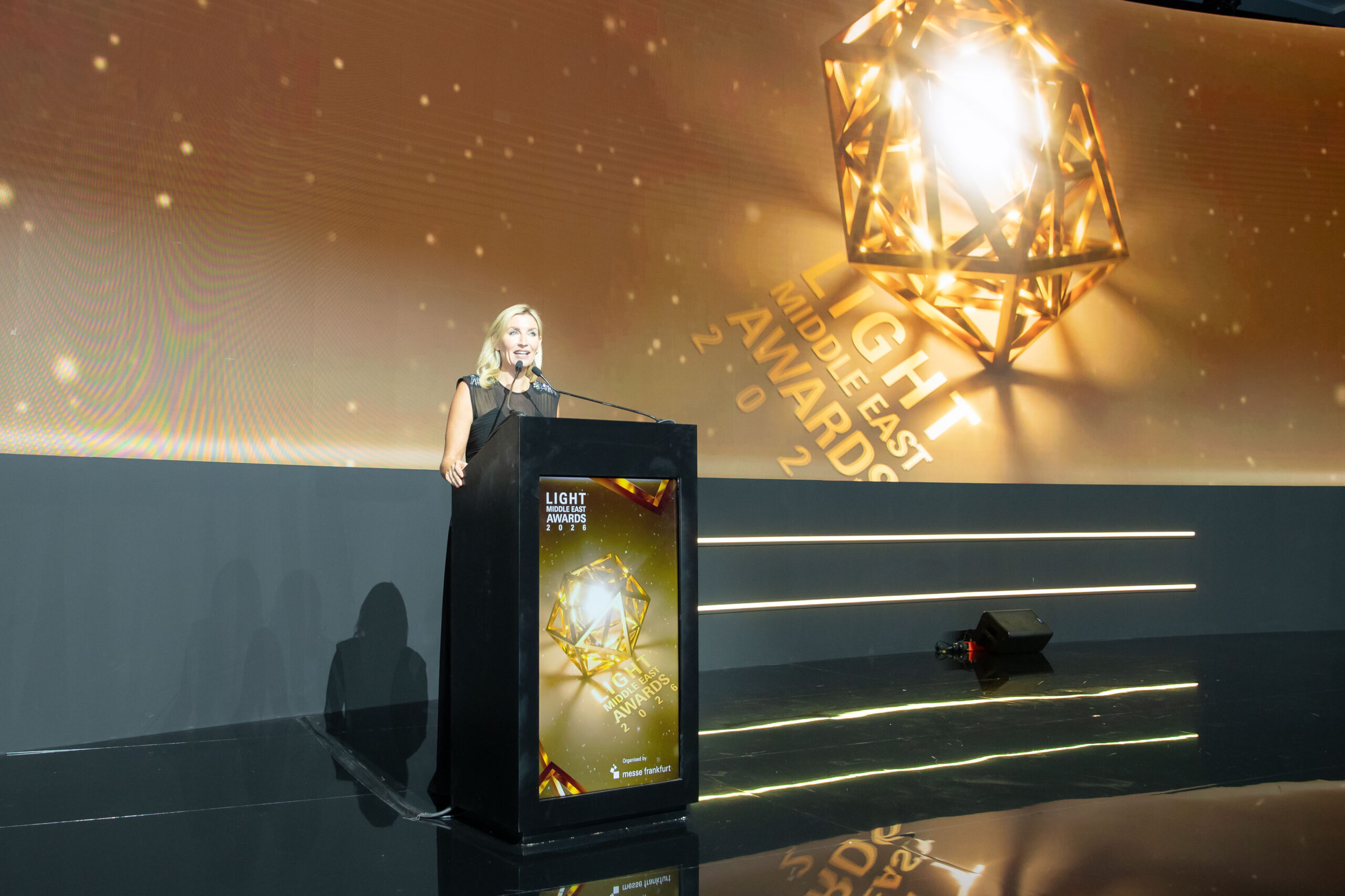
On the evening of 14 January 2026, the twelfth edition of the Light Middle East Awards took place at the Dubai World Trade Centre, bringing together designers, manufacturers, consultants, and industry figures from across the global lighting sector.
The event, held alongside Light + Intelligent Building Middle East 2026, marked another annual moment of pause in an industry that typically moves faster than it reflects. Seventeen awards were presented across product, project, and partnership categories, offering a clear picture of the kinds of work currently being recognised, and the directions receiving the most attention.
Rather than spectacle, the evening leaned toward structure. Categories were tightly defined, winners clearly articulated, and the focus remained on execution, clarity, and professional consistency. 

Product Awards: Precision Over Display
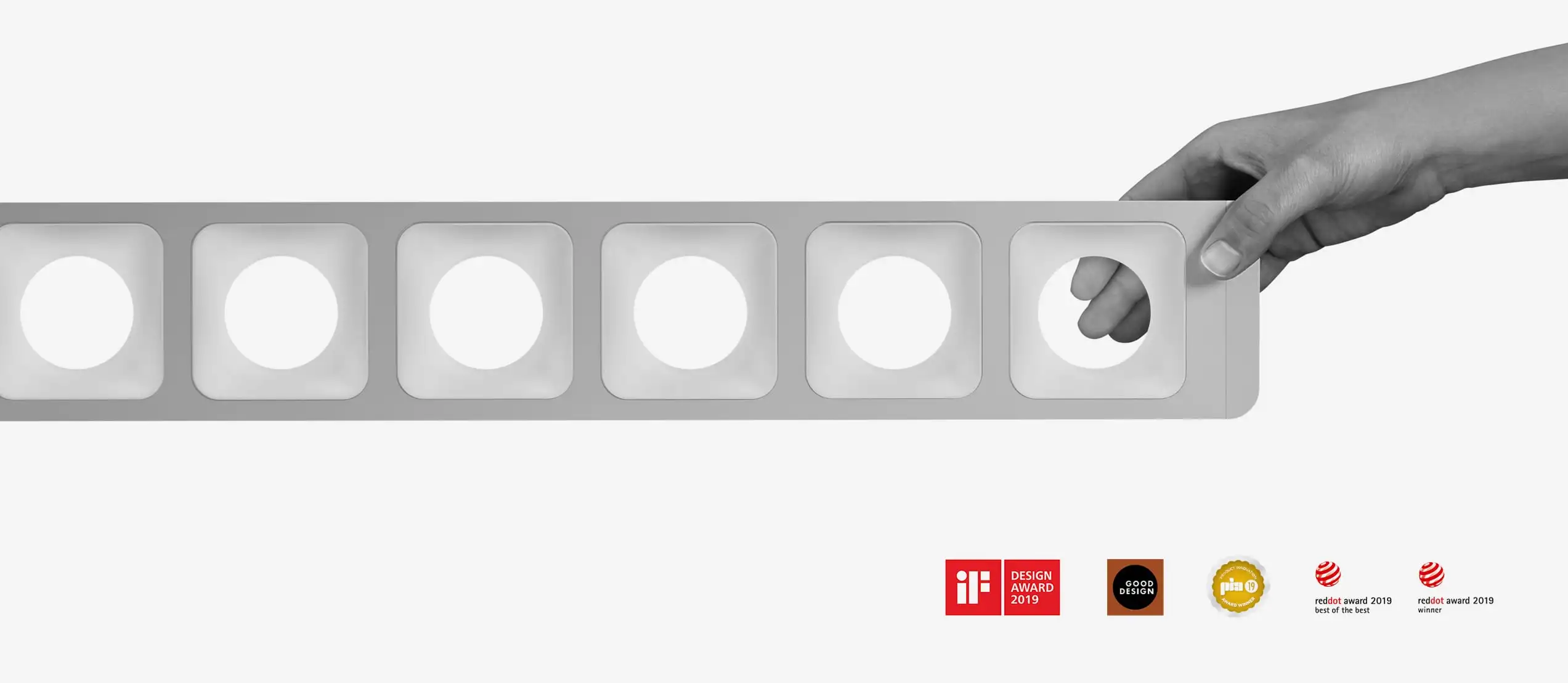
The Indoor Lighting Product of the Year was awarded to Aperture by Fluxwerx Illumination, a product that stood out for its controlled optics and architectural restraint. The fixture drew attention not through novelty, but through proportion and performance, qualities that continue to dominate the indoor lighting conversation.
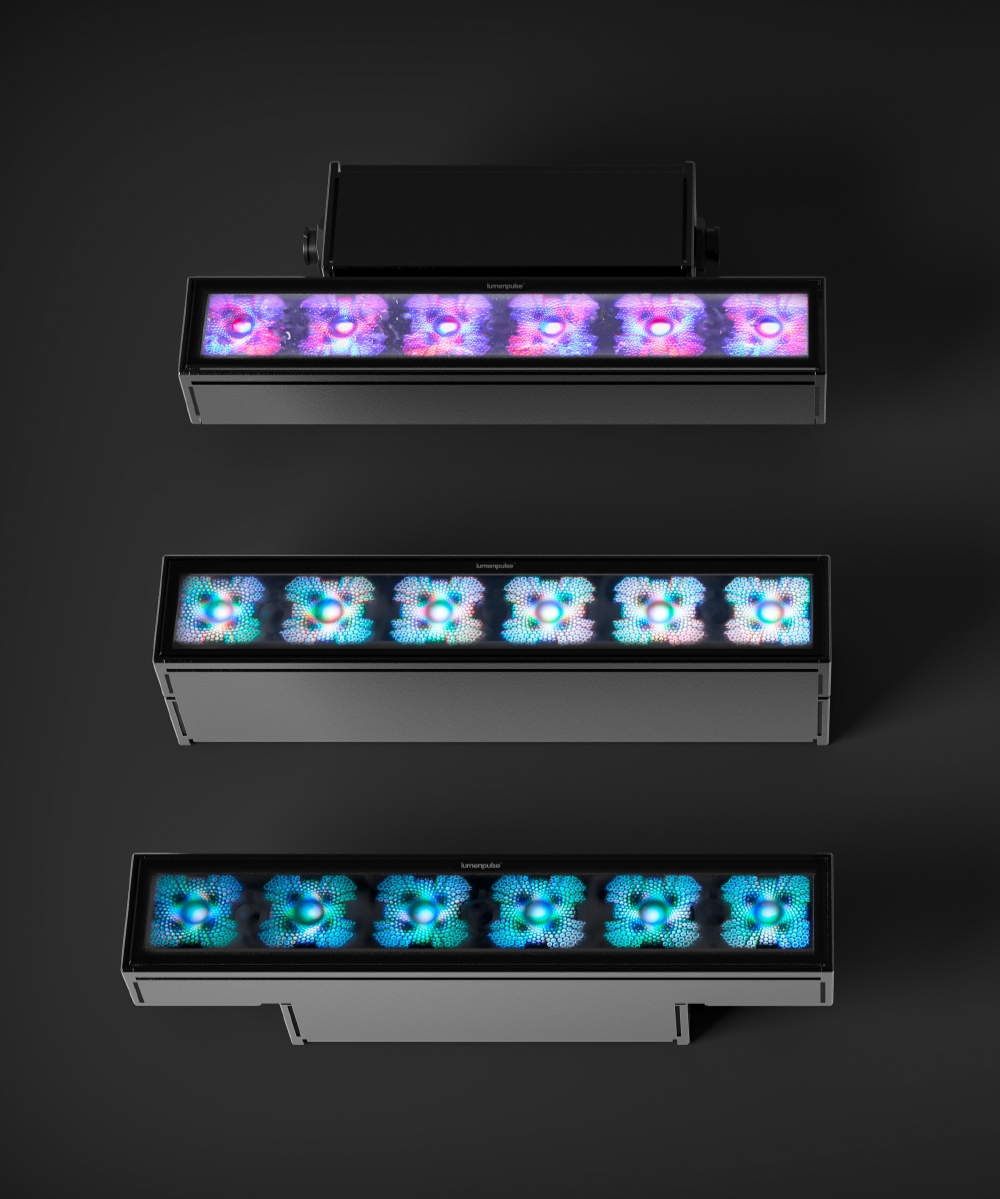
For exterior applications, Lumenfacade Max Opticolor+ by Lumenpulse received the Outdoor Lighting Product of the Year award. Designed for large-scale façades and urban environments, the system demonstrated high output combined with color stability, reflecting the ongoing demand for durability and consistency in outdoor lighting solutions.
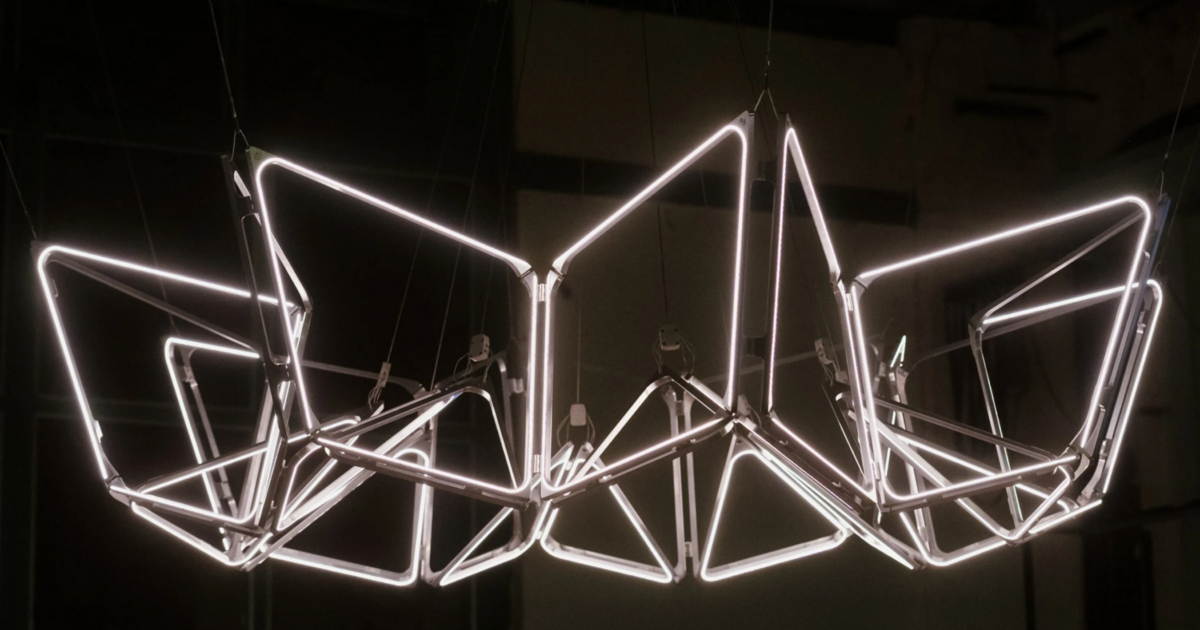
In the decorative category, BloomAire Kinetic Chandelier by Lumoconcept was named Decorative Lighting Product of the Year. The project’s use of movement was measured rather than theatrical, integrating kinetic elements into a controlled visual rhythm.
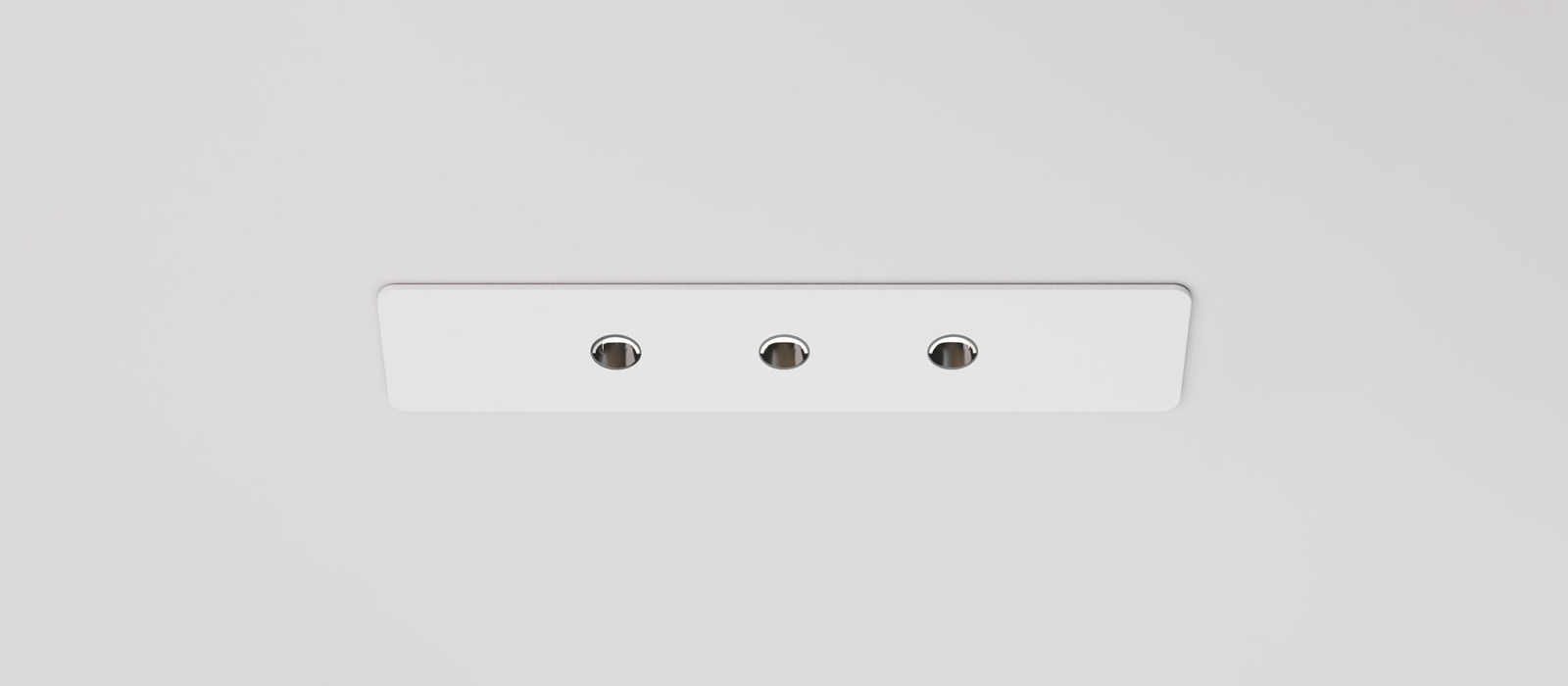
The Intelligent Lighting Solution of the Year award went to RCL by Luminii: Nova, developed by Luminii LLC. The solution was recognised for its integration of control systems within architectural lighting frameworks, addressing the growing emphasis on adaptability and system coherence rather than standalone technology.

The Peer Award was presented to Zhiwer WW by Fenos BVBA, a distinction determined through industry voting and regarded as a reflection of professional consensus.
iGuzzini Middle East received the Partner of the Year Award, recognising sustained involvement and collaboration across regional projects and initiatives.
Project Awards: Context as a Design Parameter
Project categories formed the largest portion of the evening, with awards spanning international, regional, and typological classifications.
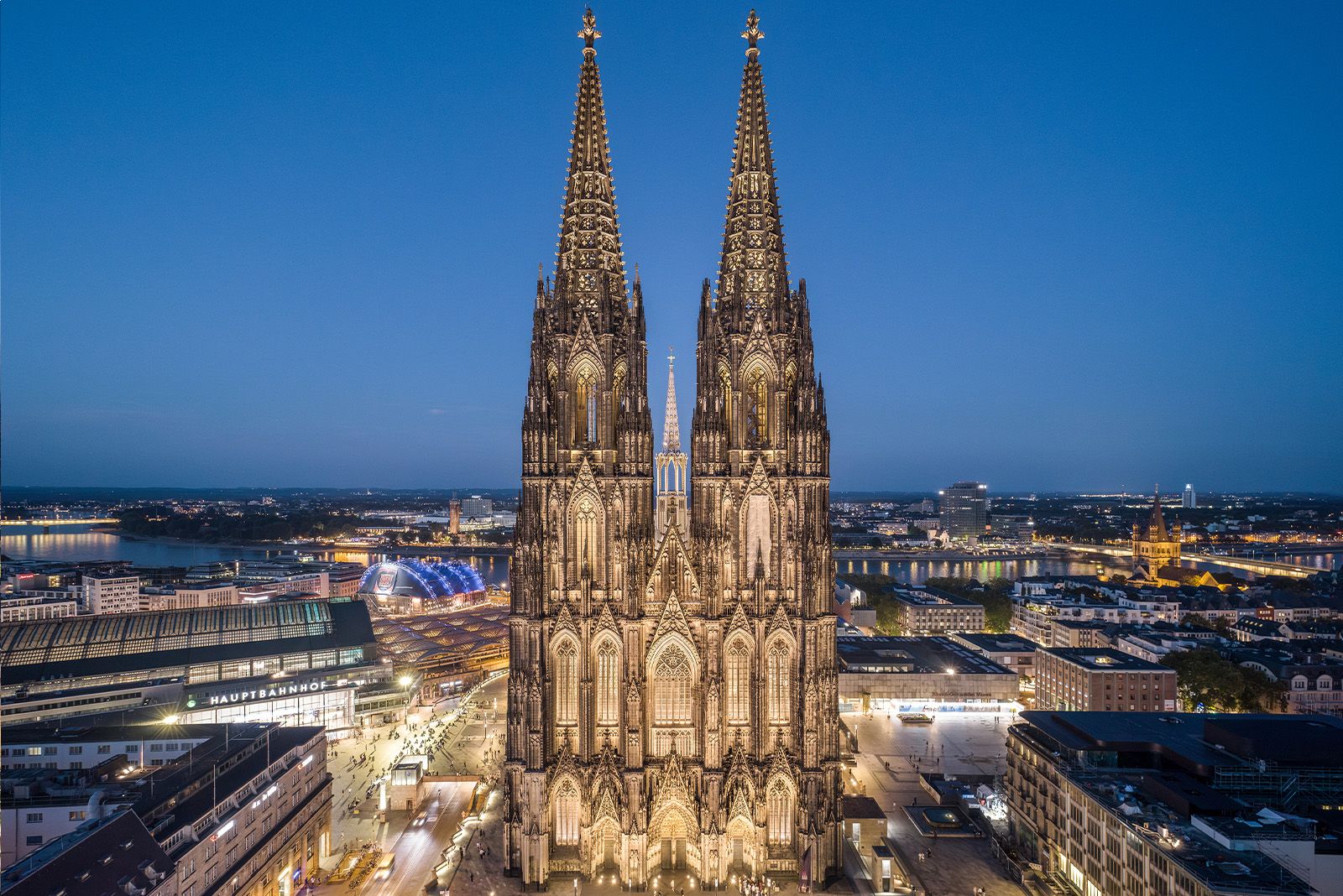
The International Project of the Year was awarded to Cologne Cathedral – Licht Kunst, designed by Licht Kunst Licht AG. The project addressed a historically layered structure, relying on careful placement and calibrated intensity rather than visual emphasis.
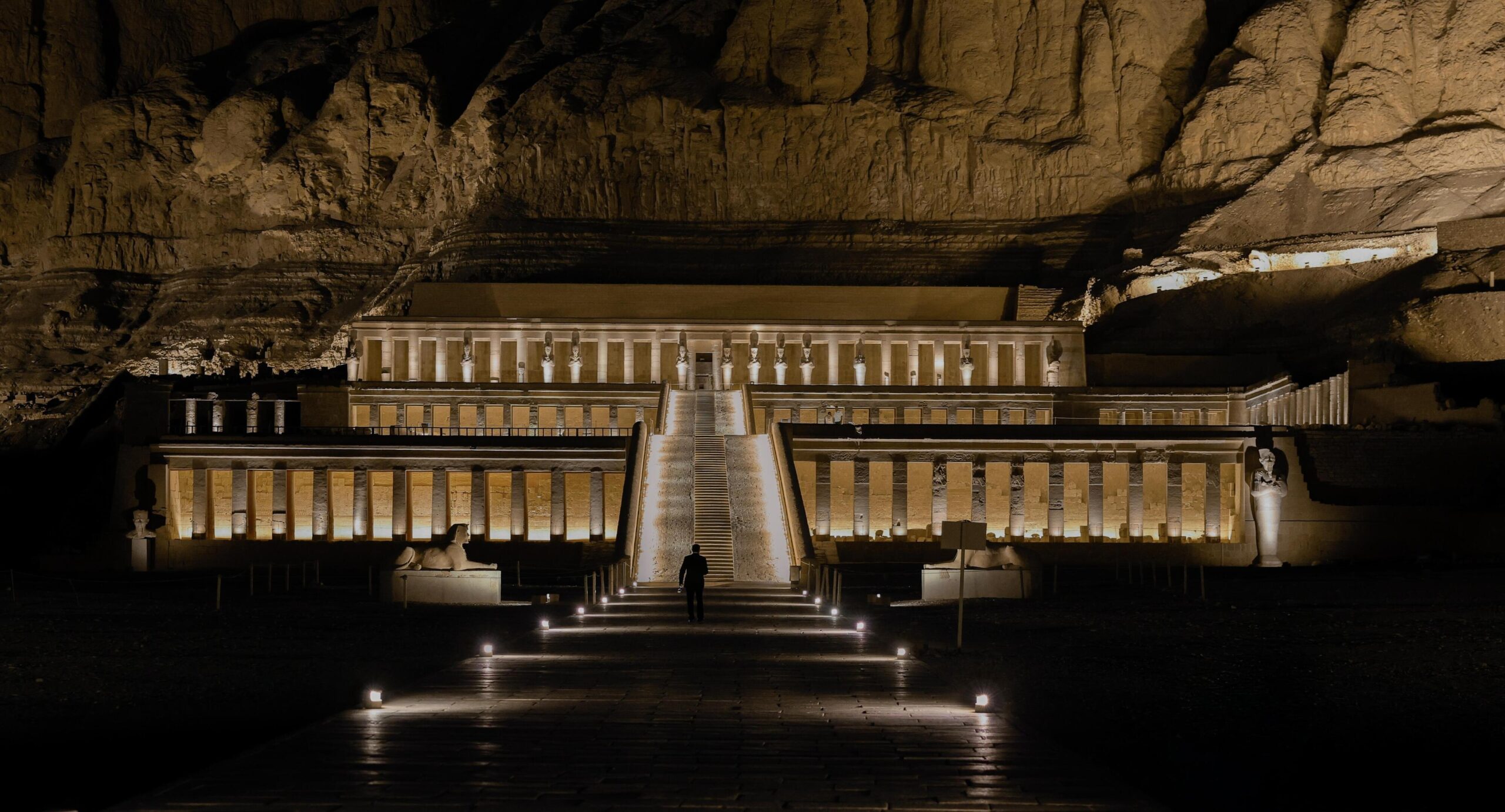
Within the MEA region, heritage and hospitality projects featured prominently. Queen Hatshepsut, by Barbero Light in collaboration with VBNB, received Project of the Year MEA (Heritage). The project focused on architectural continuity, using light to articulate form without interrupting historical presence.
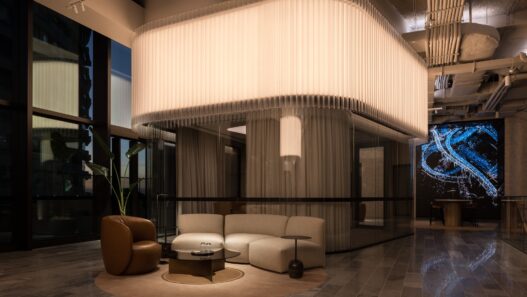
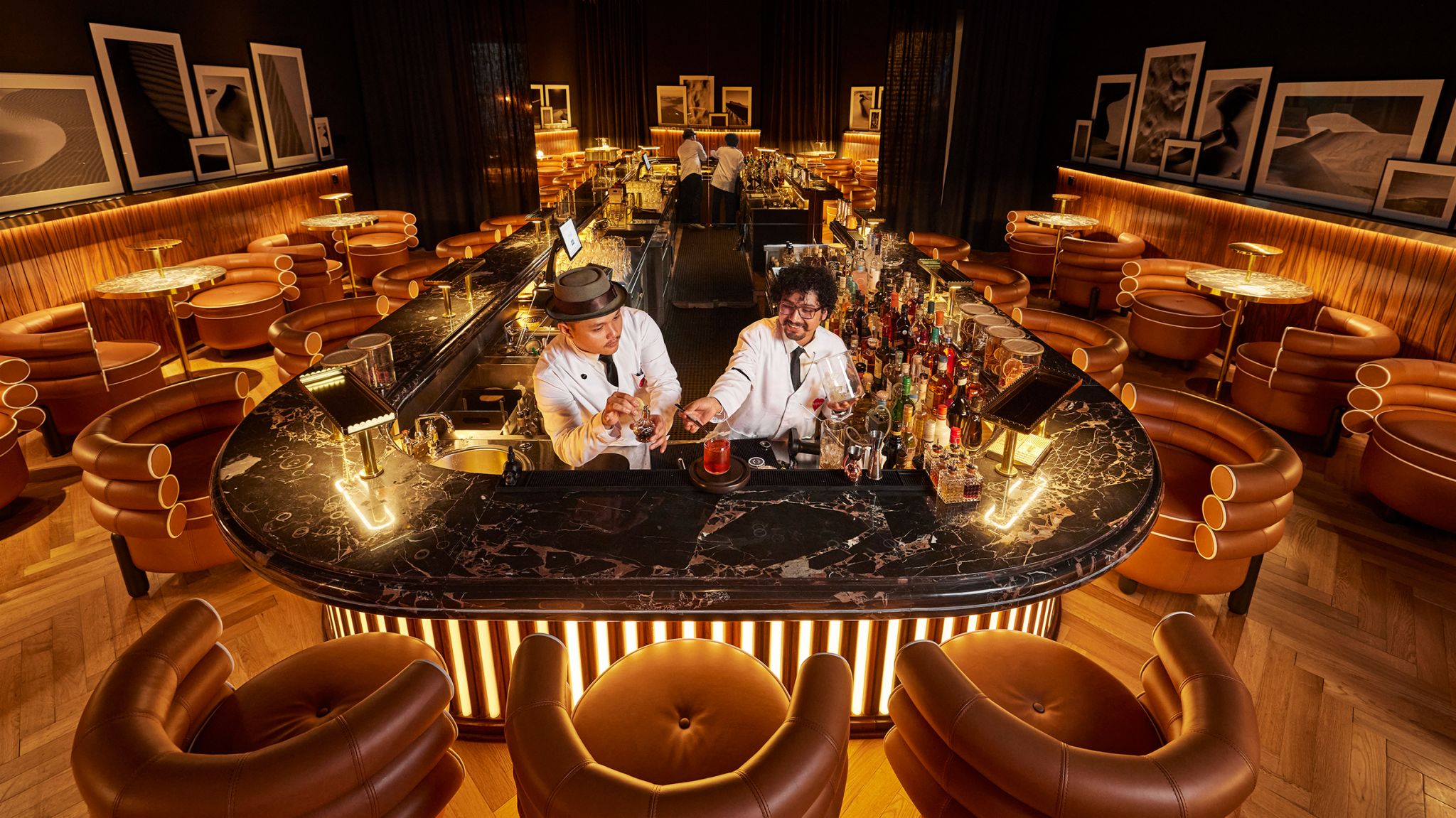
In the hospitality sector, Mama Shelter Dubai, designed by Umaya Lighting Design, was recognised as Project of the Year MEA (Hotel), while Shebara Resort in Saudi Arabia, by Light Touch PLD, received the same distinction in a separate category. The two projects represented contrasting approaches, one interior-driven and graphic, the other landscape-oriented and subdued.
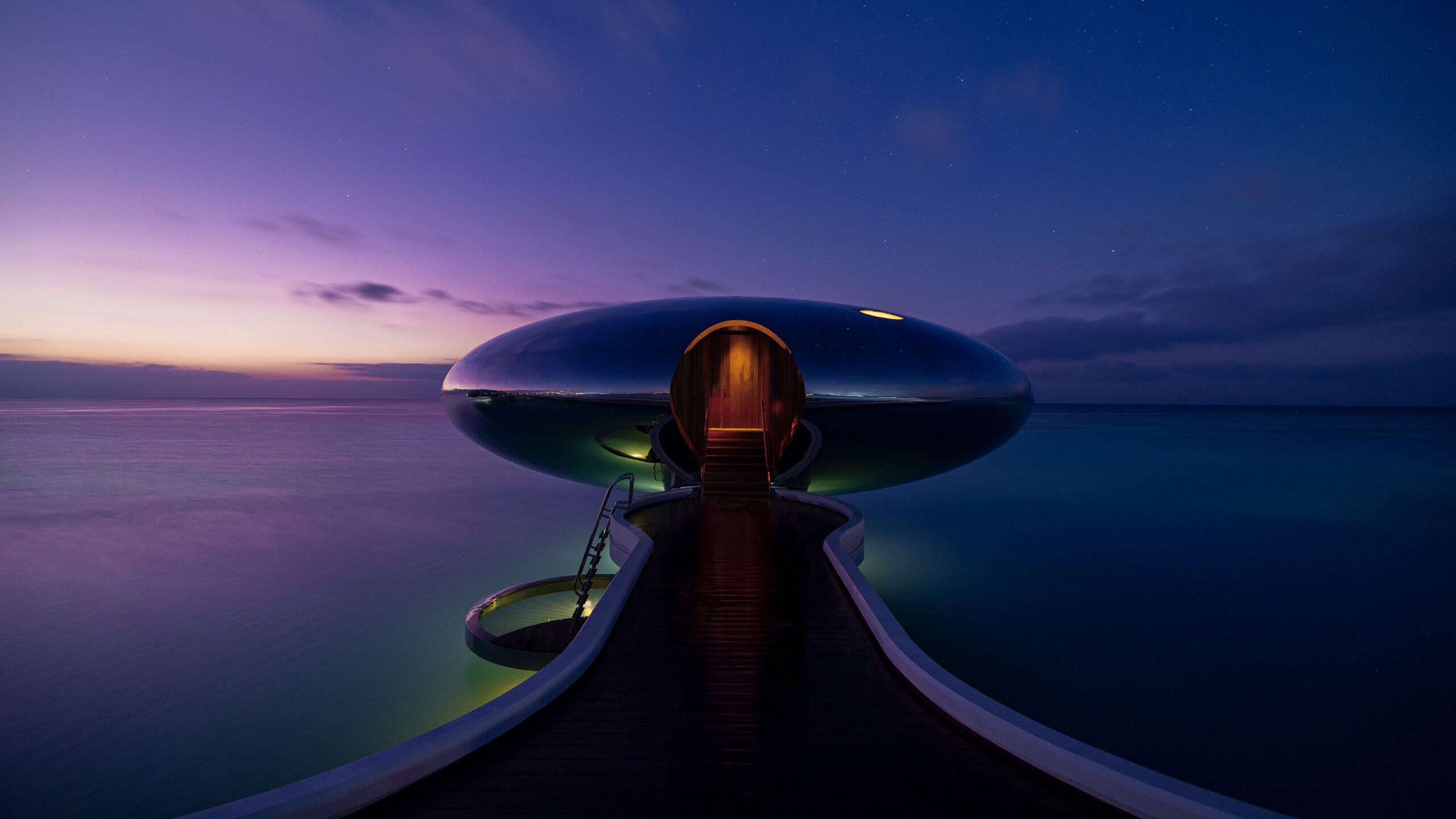
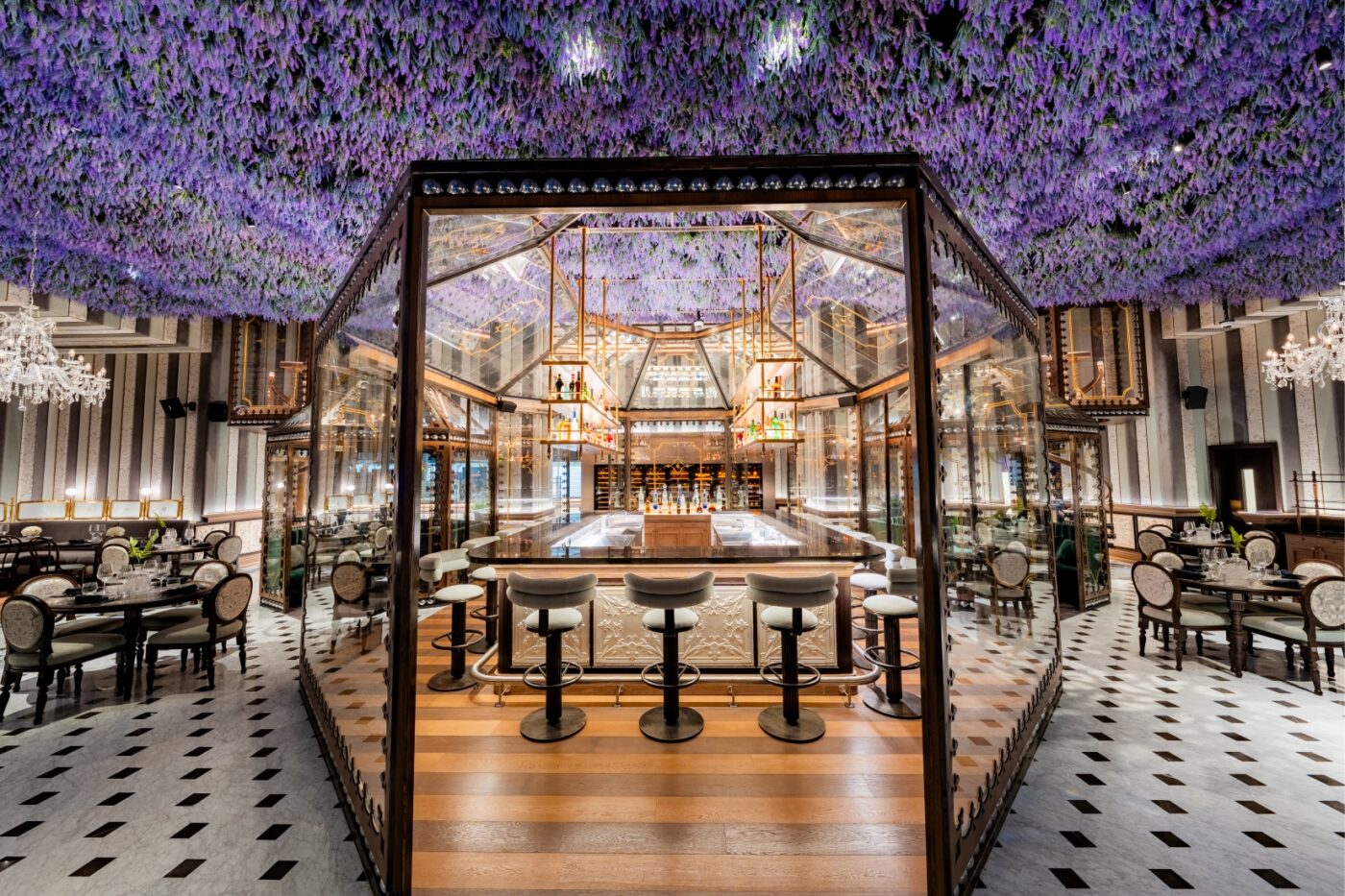
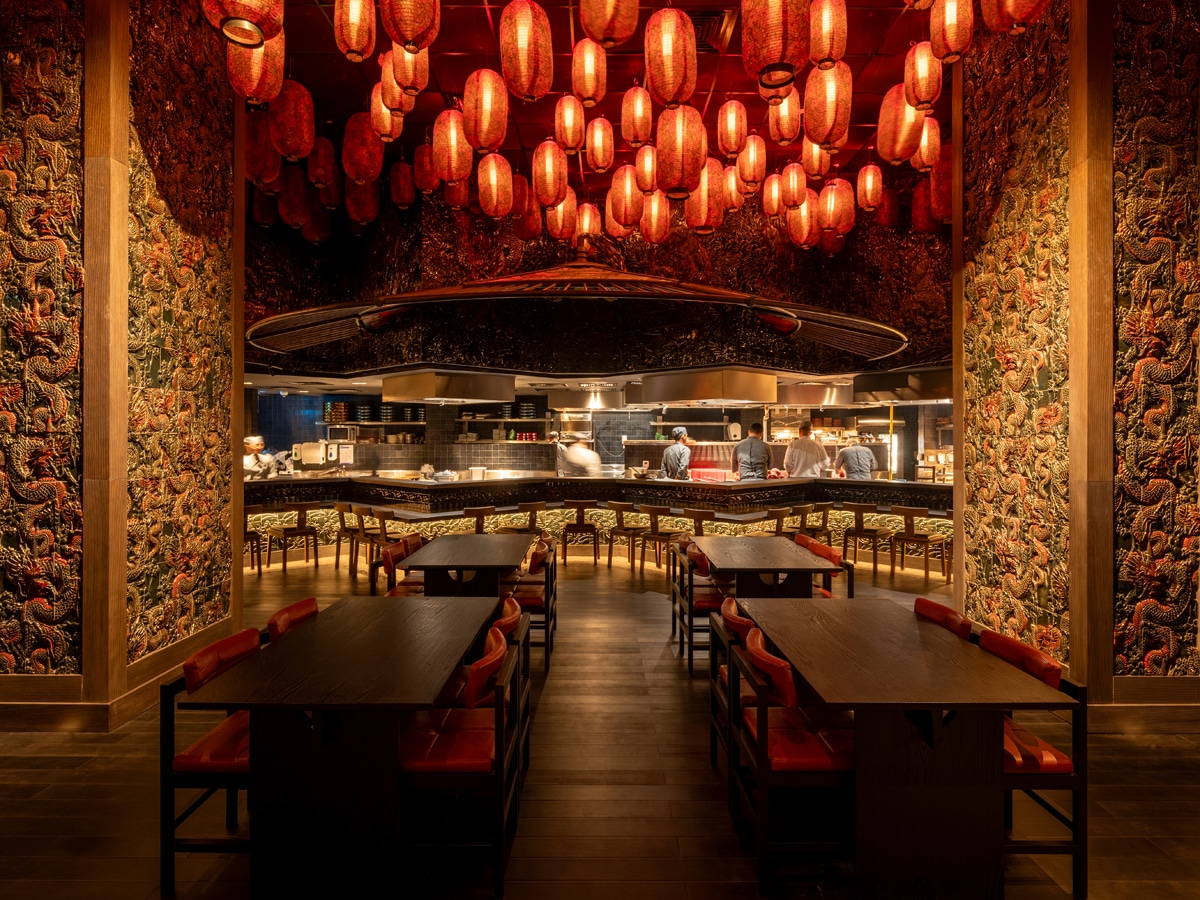
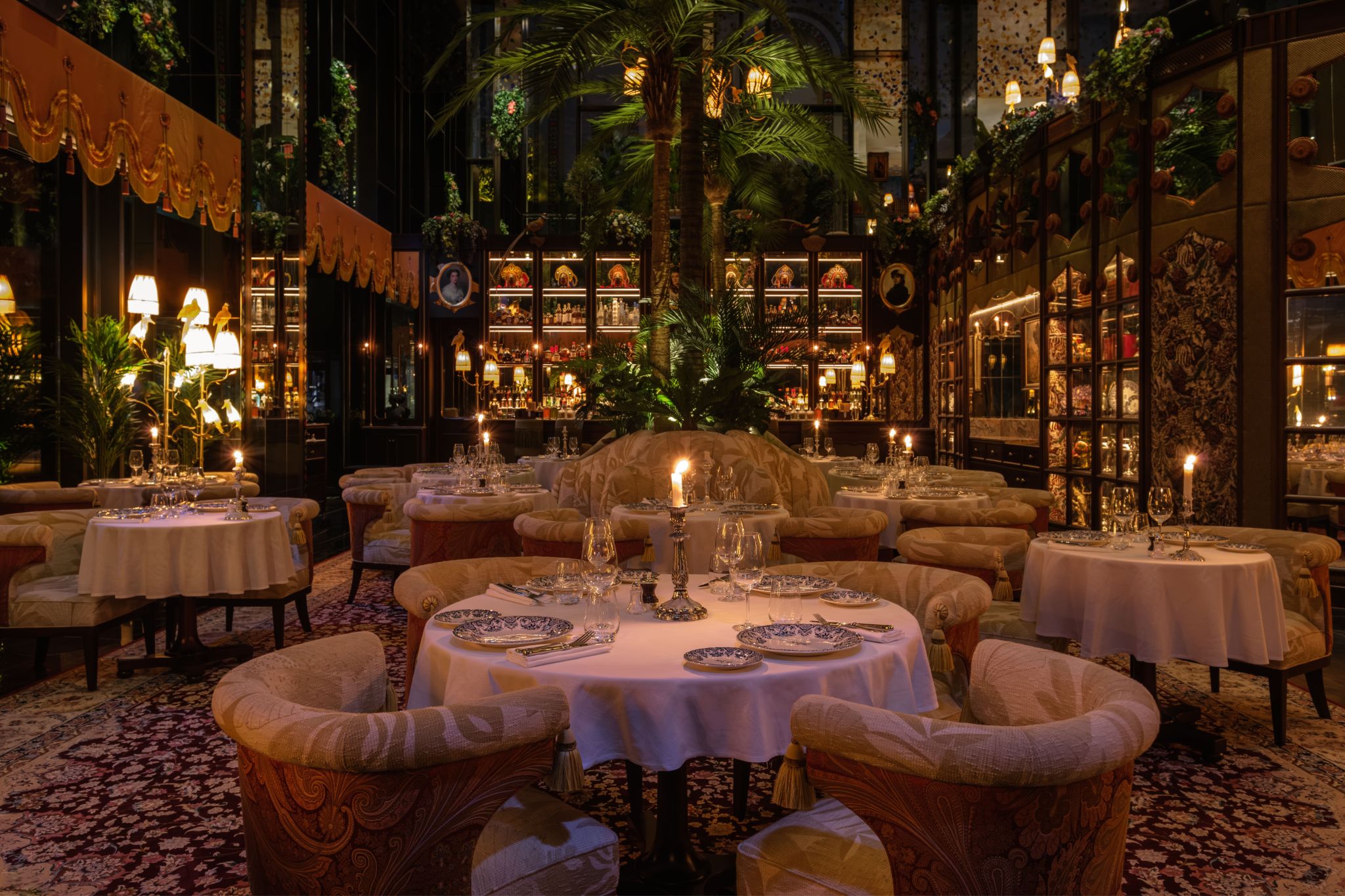
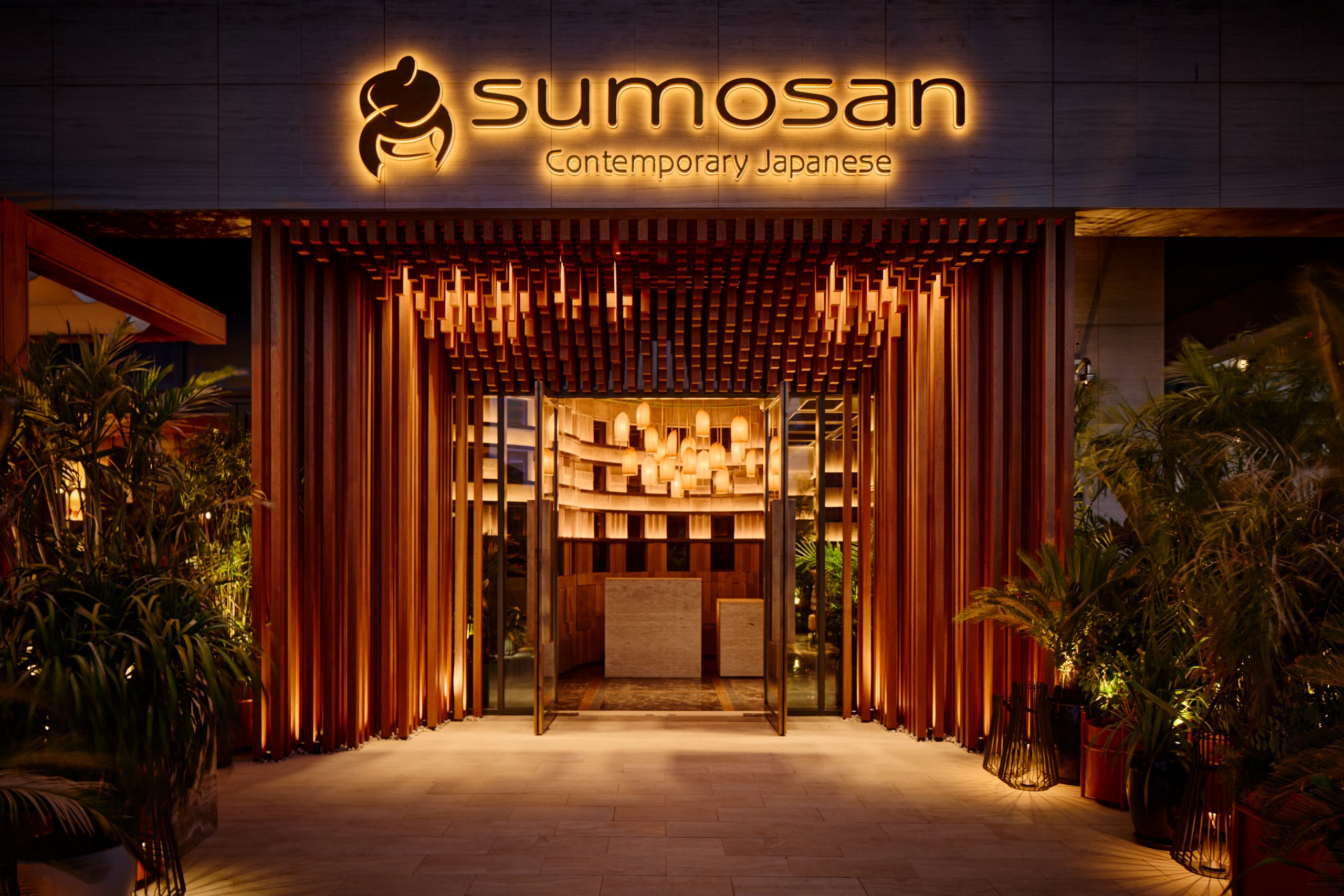
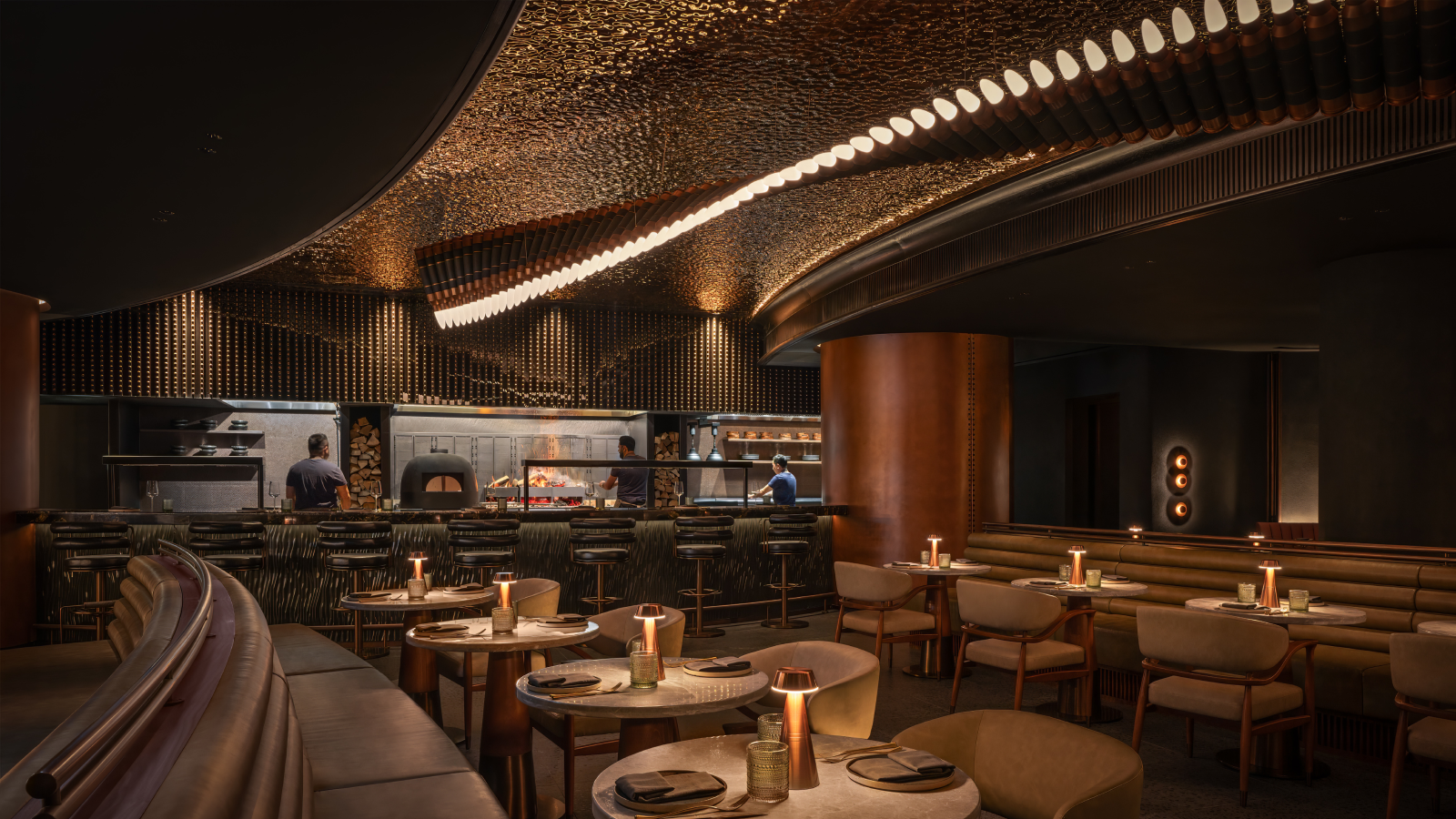
Restaurants accounted for multiple awards, reflecting their role as experimental grounds for lighting design. CPLD – Lighting Design Consultants were recognised for Tête à Tête and Ronin at FIVE Luxe JBR. Additional restaurant awards went to Maison Revka by Light & Lives, Sumosan Bahrain by Into Lighting, and Revolver by Studio N.
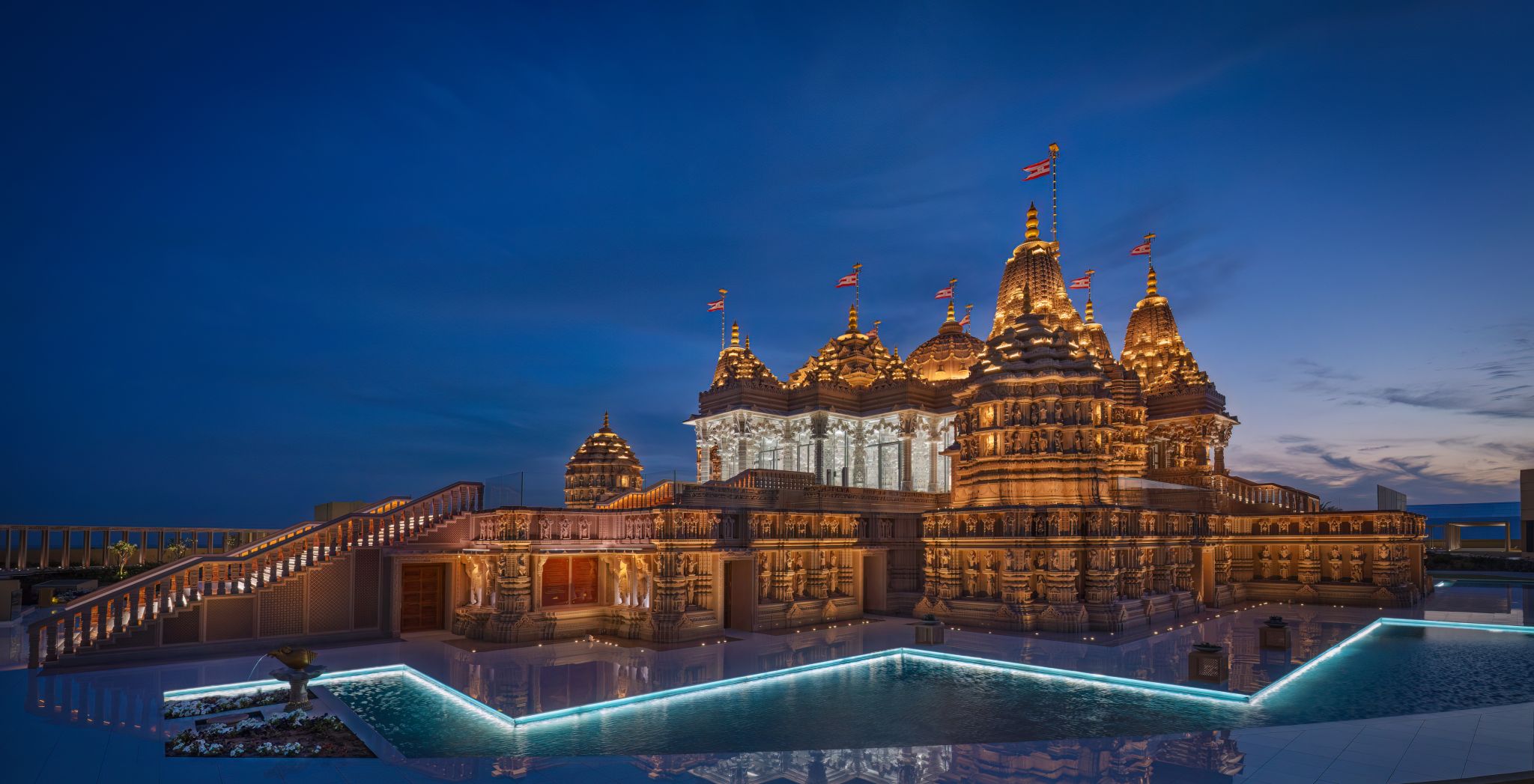
The Project of the Year MEA (Place of Worship) award was presented to BAPS Hindu Mandir, designed by Studio Lumen, a project noted for its careful coordination between architectural geometry and illumination.
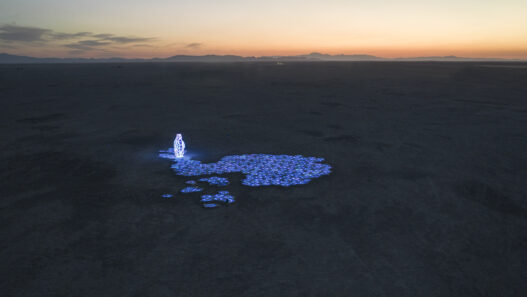
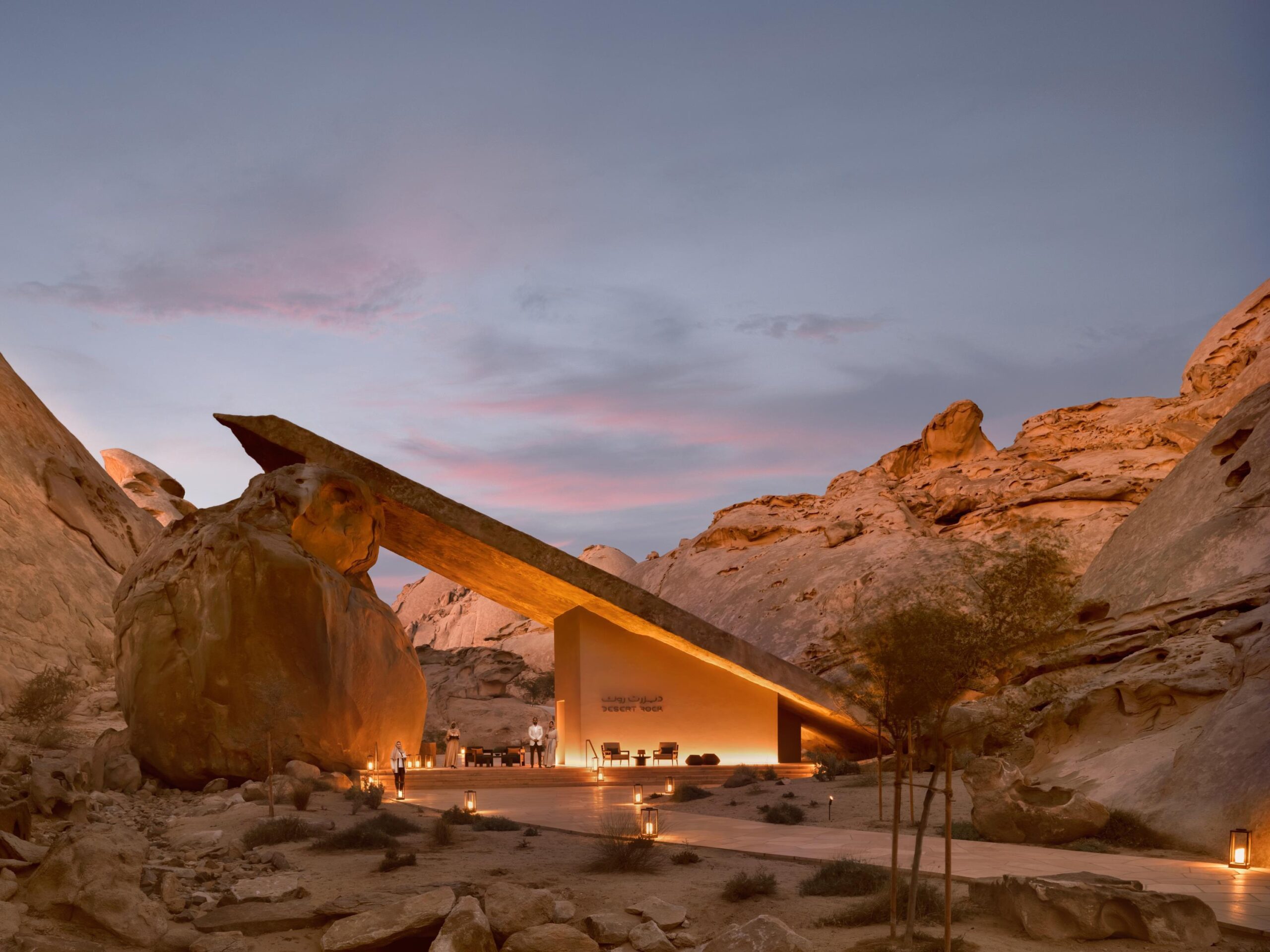
The evening concluded with the presentation of Light Middle East Project of the Year, awarded to Desert Rock Resort, with lighting design by Delta Lighting Design. The project, embedded within the natural landscape, relied on minimal intervention and controlled visibility.
An Industry Snapshot
Taken together, the 2026 award selections suggested an industry placing increasing emphasis on control, coordination, and long-term performance. Across both products and projects, jurors appeared to favour clarity over expression and systems over standalone gestures.
Rather than introducing radical departures, many of the recognised works refined existing approaches, adjusting scale, improving integration, and resolving details. It was a selection shaped less by surprise than by consistency.
Editor’s Note
Awards rarely define an industry, but they often reveal its current habits.
This year’s Light Middle East Awards presented a cross-section of lighting practice that was measured, technical, and grounded in application. The projects and products recognised did not seek attention. They assumed it would come later, through use.
As Light + Intelligent Building Middle East looks ahead to its next edition, scheduled for 11–13 January 2027 at the Dubai World Trade Centre, the question is no longer what lighting can announce, but how quietly it can support what is already there.
– Hamed Mahzoon