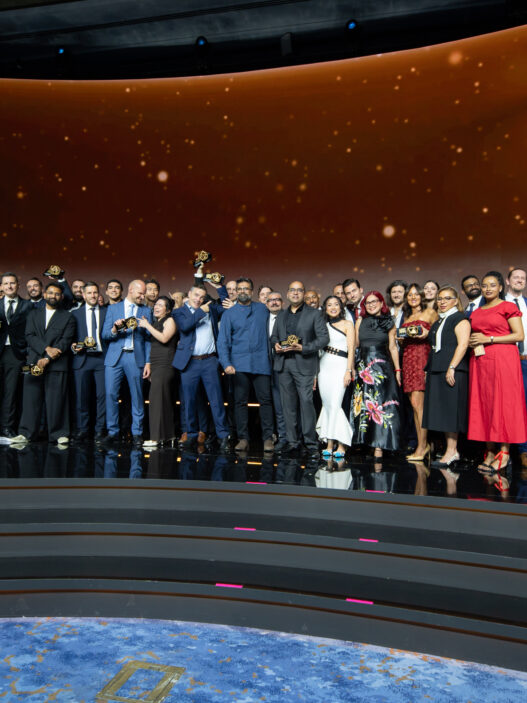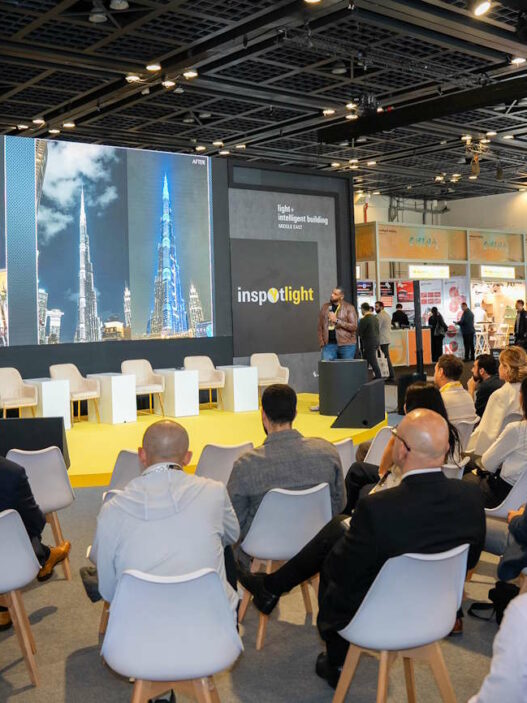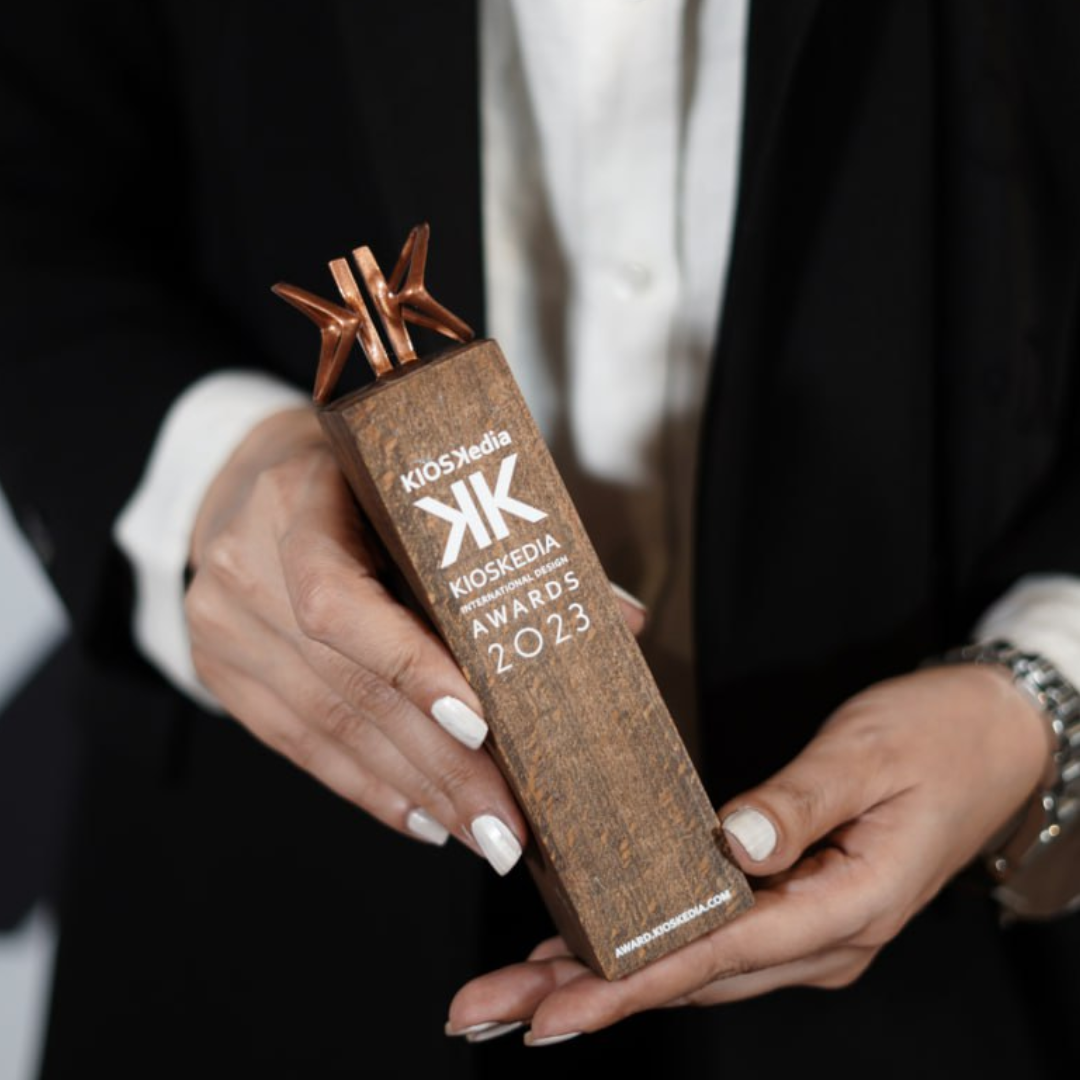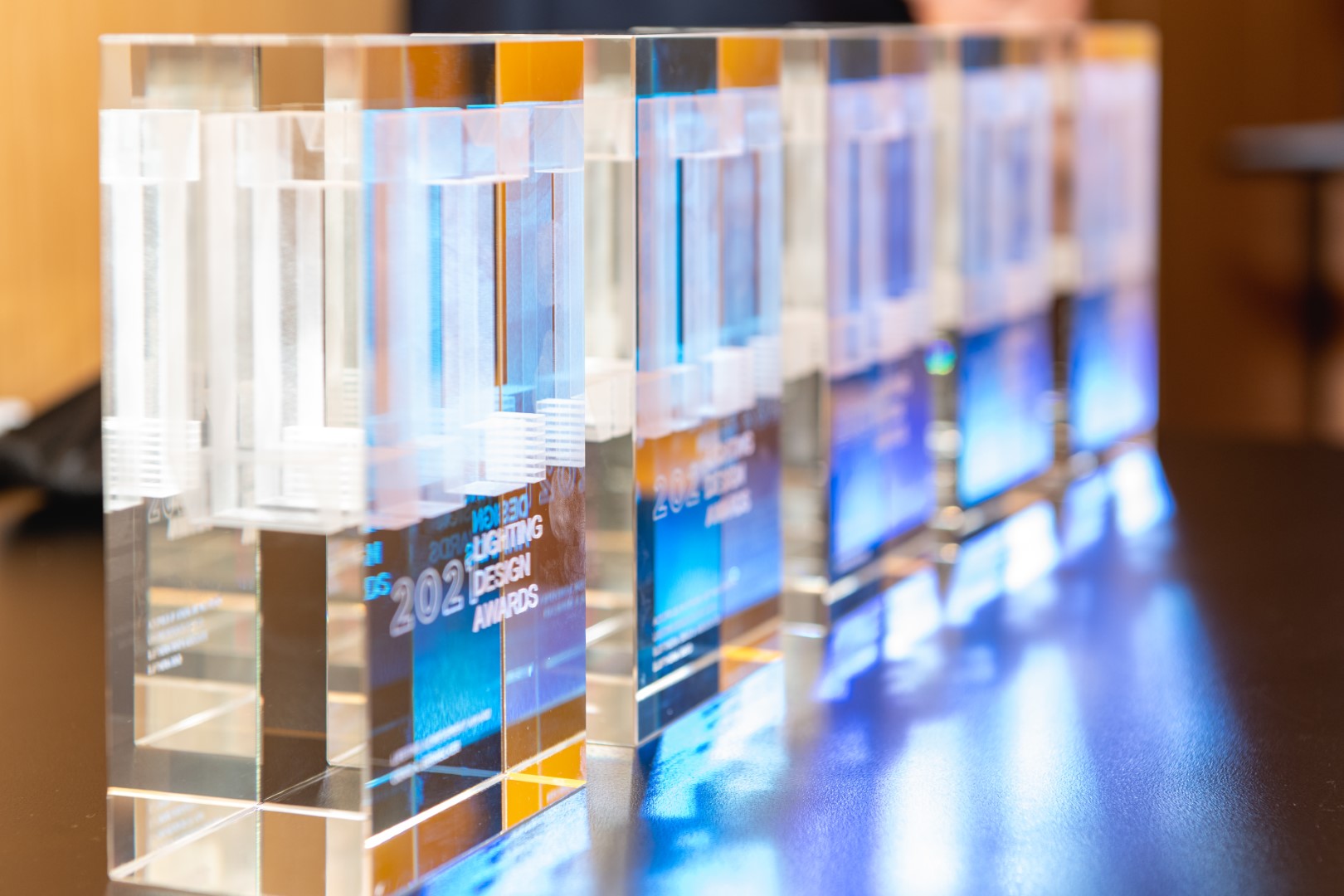






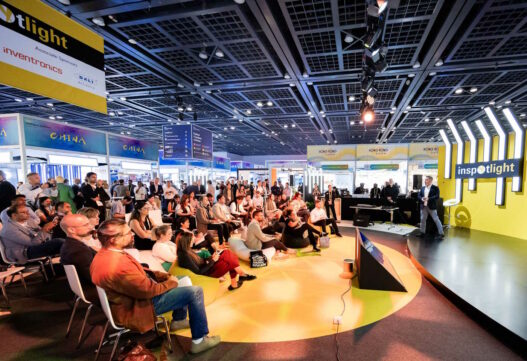
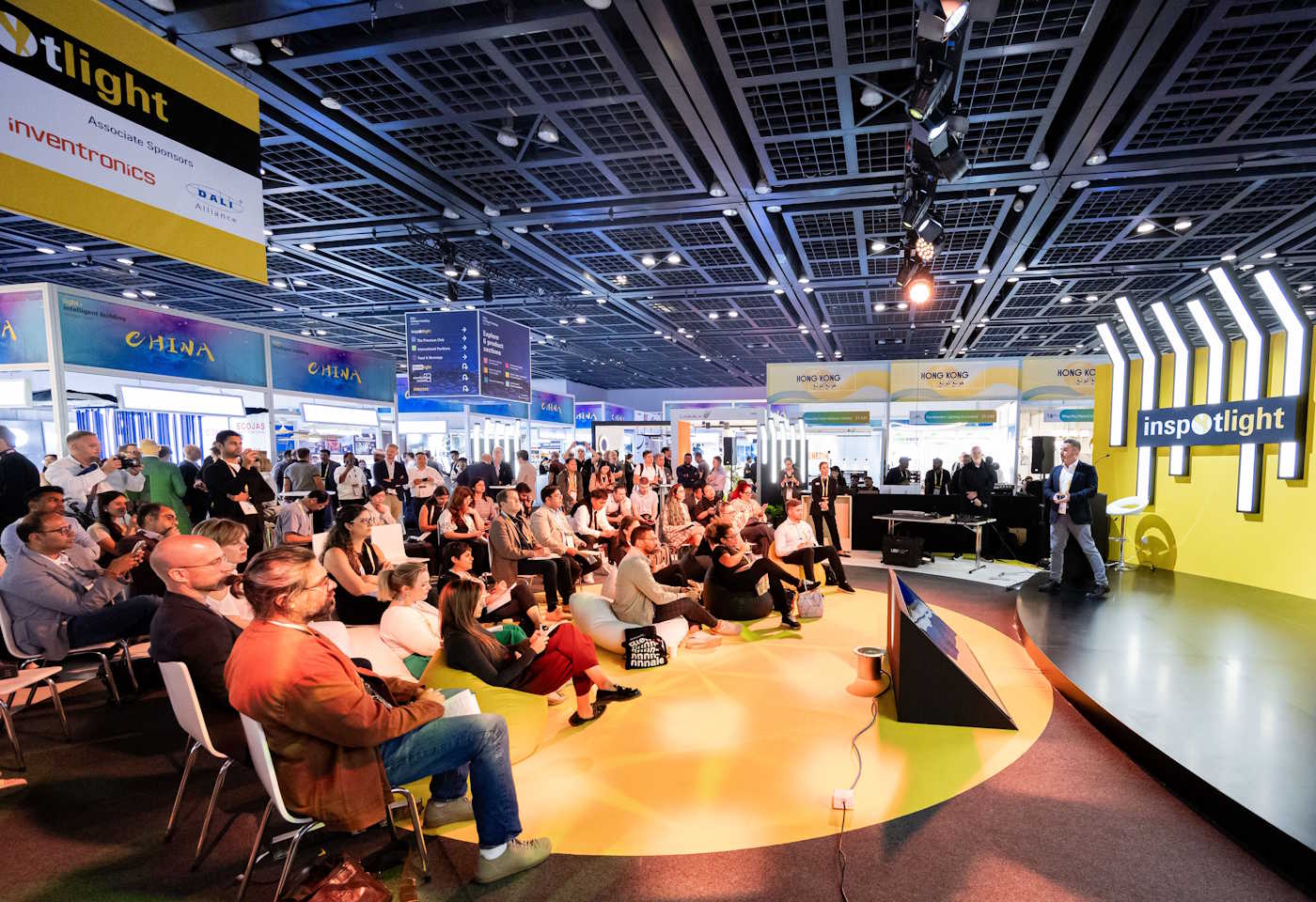
If trade fairs are often accused of being transactional, InSpotLight positions itself differently. It is less showroom than stage, one where innovation is interrogated, education is foregrounded, and the industry speaks to itself with an unusual degree of candour.
Products Under Pressure: Design in the Arena
The programme opens on 12 January with The Specifiers’ Arena Product Pitch, a live, competitive format that compresses months of R&D into minutes of public scrutiny. Shortlisted products from the Light Middle East Awards, spanning Indoor, Outdoor, Decorative, and Intelligent Lighting, will be presented live, their merits tested not only by juries, but by an audience fluent in specification, performance, and context. 
In an industry increasingly shaped by metrics and margins, the arena format is telling. It reflects a shift away from passive display toward narrative and justification: why this product exists, what problem it solves, and whether it meaningfully advances the discipline.
Global Voices, Regional Realities
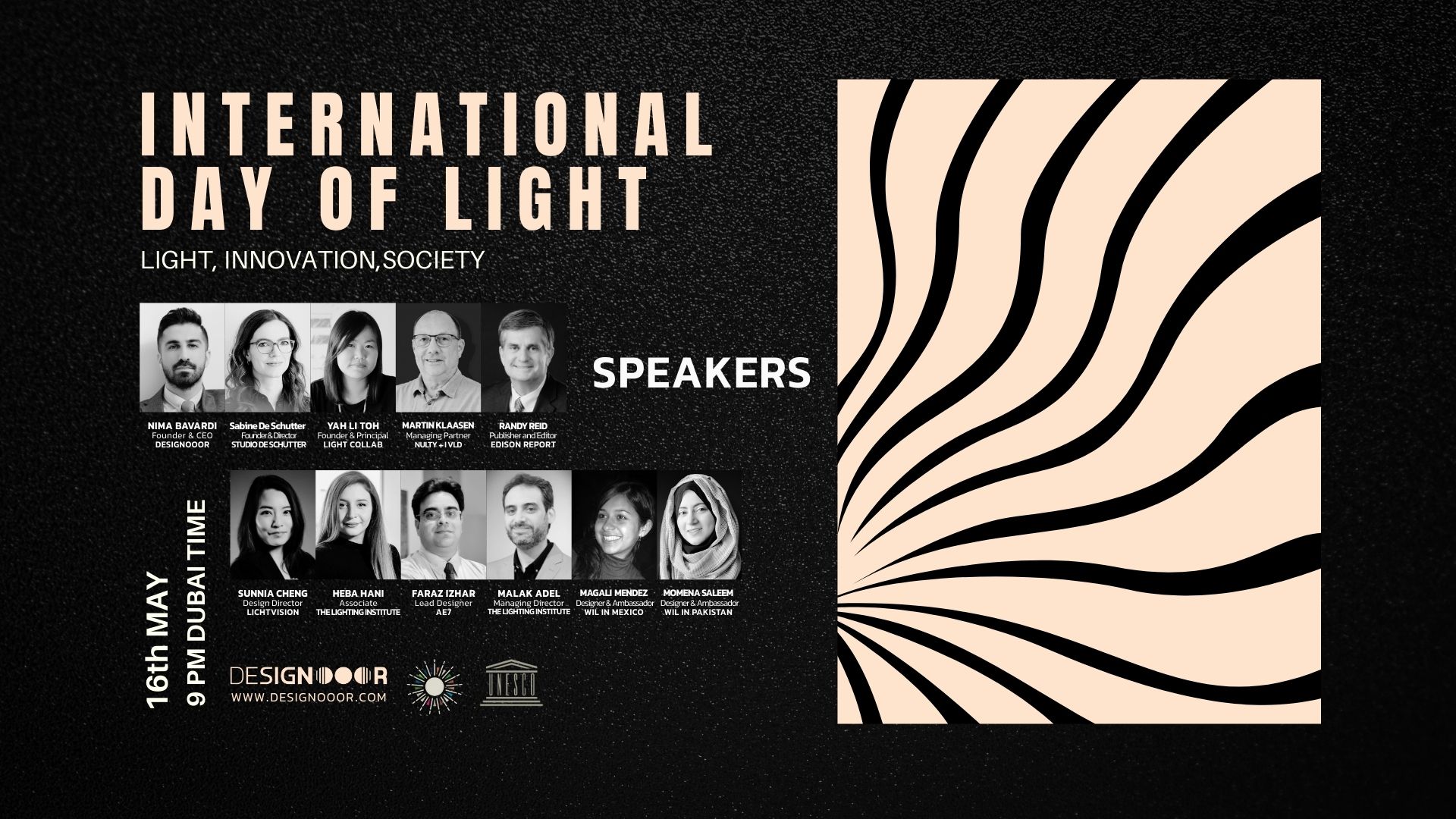
Day two pivots from products to people. International associations, including IALD, IES, SLL, and Women in Lighting, take the stage, offering perspectives shaped by practice across continents, climates, and regulatory frameworks.
What distinguishes this day is not the prestige of the speakers, but the structure of the dialogue. Panel discussions move fluidly between global standards and regional leadership, while fireside conversations address subjects often sidelined in technical discourse: circularity, authorship, and the stories designers tell through light.
Afternoon sessions expand the frame further, touching on sensory design, astrophotography, market transformation, and the narratives behind landmark projects. The day concludes with a DALI Alliance workshop focused on future-proofing smart buildings, an acknowledgment that intelligence in lighting is now as much about infrastructure as it is about illumination.
AI Enters the Studio
The final day begins where much of the industry’s current anxiety, and excitement, resides: artificial intelligence. A workshop led by Dubai-based design practice AE7 examines how AI tools are reshaping lighting workflows, from early concept visualisation to documentation and quality control.
According to Anthony Girgis, Lighting Designer at AE7, AI’s value lies not in replacing designers, but in accelerating iteration. Concept sketches evolve faster, day-to-night transitions are tested instantly, and option studies multiply at a pace previously unimaginable.
“We use AI as a fast draft and variation engine, then apply strict designer controls,” Girgis notes. “The final judgement stays human. AI speeds iterations, but design intent, hierarchy, and compliance are always curated and validated.”
It is a measured position, one that frames AI not as an author, but as an assistant with remarkable stamina.
Education, Ethics, and the Next Generation
Beyond technology, InSpotLight’s final day is anchored in learning and responsibility. The IALD Student Session addresses a perennial gap between academia and practice, while presentations from ALBA and the University of Balamand reveal pedagogical models built on experimentation, collaboration, and social impact.
One highlighted initiative, a humanitarian project developed with Zumtobel, confronts light poverty directly, exploring how access to dignified lighting affects safety, agency, and everyday life. It is a reminder that lighting, at its most essential, is an ethical act.
Sustainability remains a central theme. The IES hosts a panel on multidisciplinary mentorship and technical excellence, while SLL presents a focused session on sustainable metrics, unpacking CIBSE TM66 and TM65.2. These frameworks move sustainability beyond abstraction, offering practical tools for circular design and responsible specification.
A Space for What Comes Next
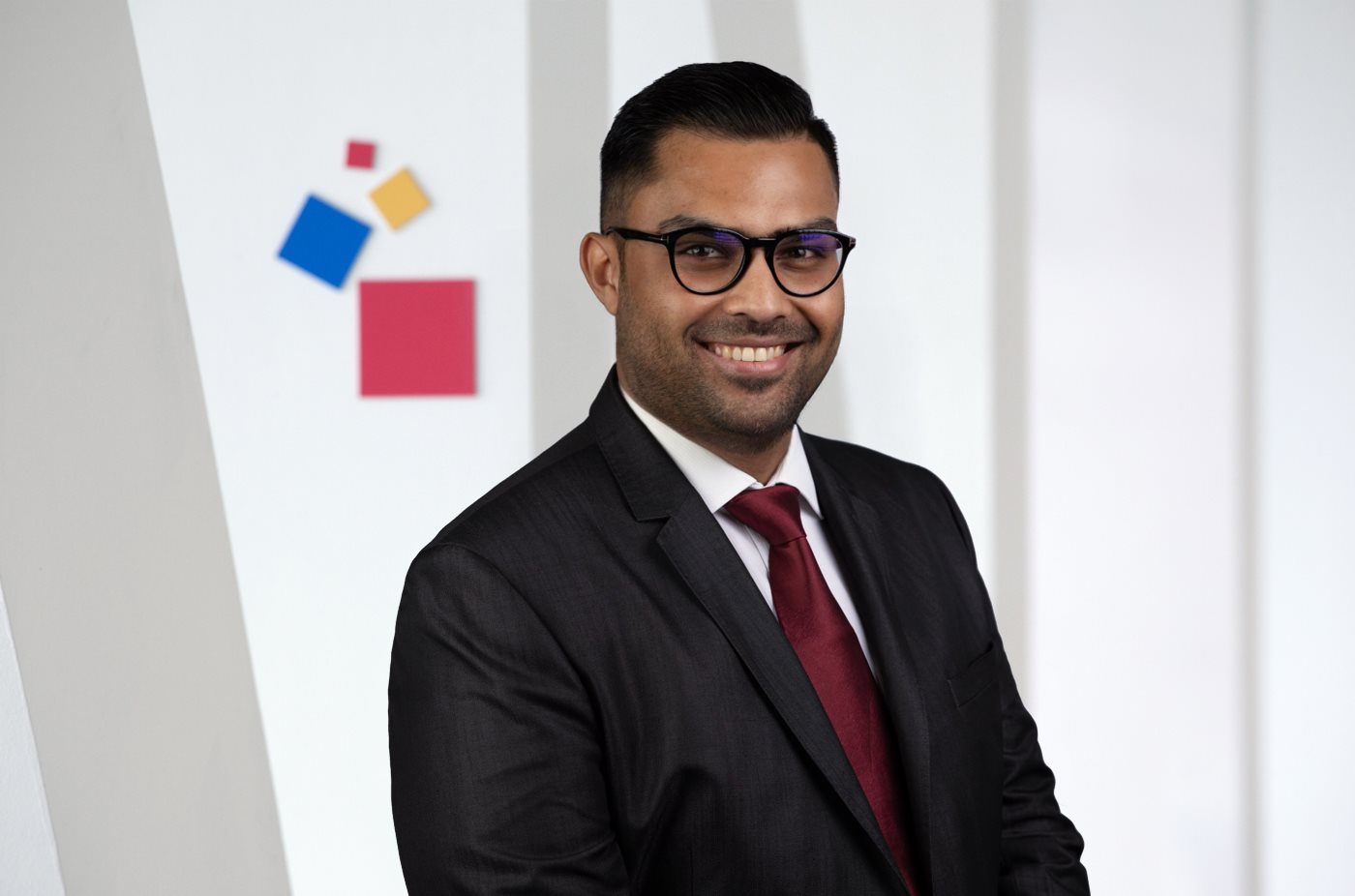
“InSpotLight has become a space where ideas move from concept to reality,” says Abdul Muhsin, Show Director for Light + Intelligent Building Middle East. His assessment is accurate, not because the programme predicts the future, but because it stages the conversations through which the future is negotiated.
Co-located with Intersec, the 2026 edition of Light + Intelligent Building Middle East is expected to host 600+ brands from over 30 countries, welcoming more than 16,000 professionals. Yet numbers alone do not explain its relevance. InSpotLight’s significance lies in its insistence that lighting is not merely a technical discipline, but a cultural one, shaped by tools, yes, but also by values, education, and dialogue.
As the industry grapples with intelligence, sustainability, and speed, InSpotLight offers something increasingly rare: a pause, a platform, and a shared language for thinking about light, not just as output, but as intent.
Light + Intelligent Building Middle East 2026
📍 Dubai World Trade Centre
📅 12–14 January 2026
🔗 Registration now open